
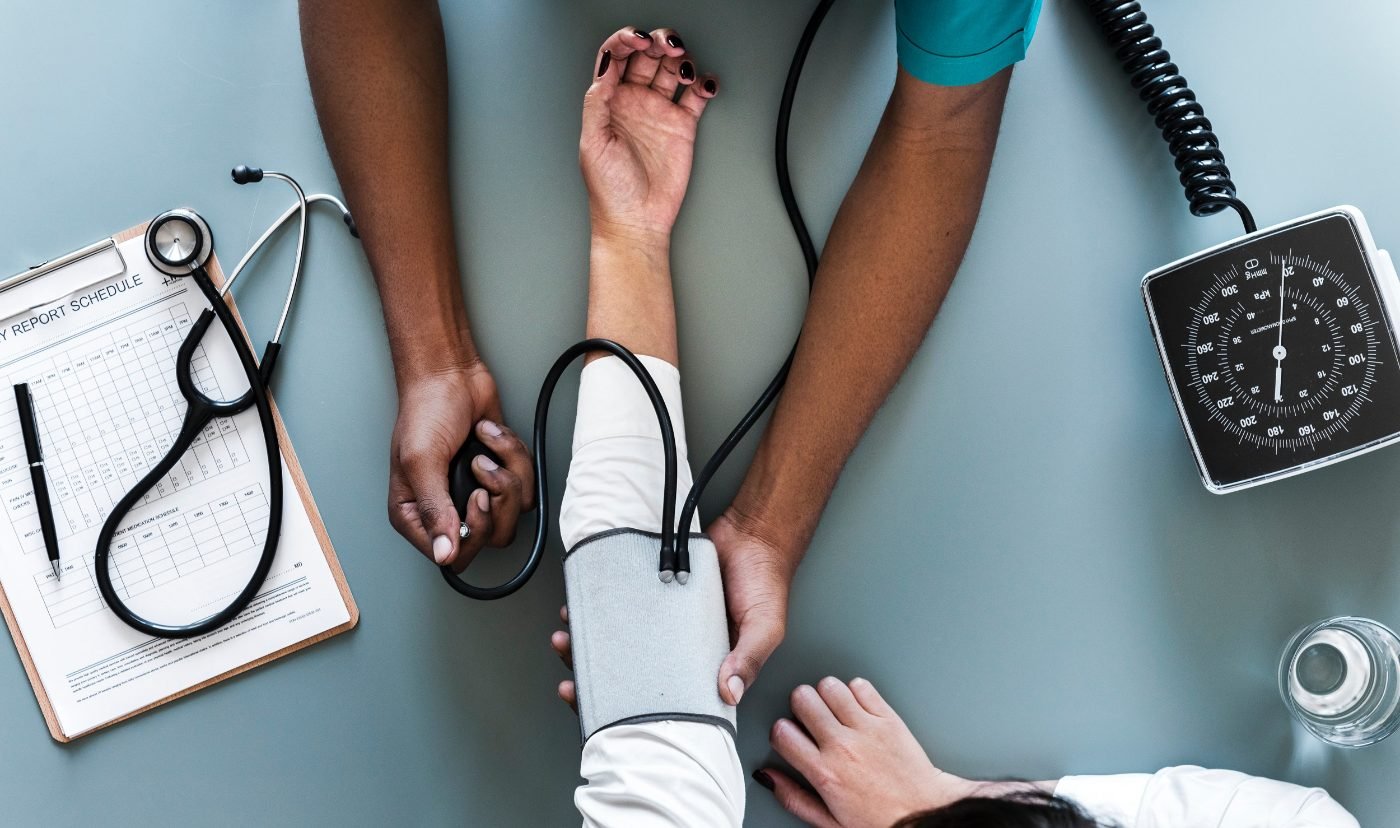
High blood pressure (hypertension, or “BP high hona”) is one of the most common health problems worldwide, and very common in Pakistani and South Asian homes. Many people only find out they have it after a headache, a dizzy spell, or a routine check at a pharmacy. The worrying part is that high blood pressure symptoms are often absent until the condition has already strained the heart, kidneys and brain, which is why it is called a “silent killer”.
In this guide we explain blood pressure readings in simple words, the warning signs to watch for, why our desi diet is so high in salt, and practical home tips and meal ideas that can help. This article is for general awareness only and does not replace advice from your own doctor.
What is high blood pressure?
Blood pressure is the force of blood pushing against the walls of your arteries. It is written as two numbers, for example 120/80 mmHg:
- Systolic (top number): pressure when the heart beats.
- Diastolic (bottom number): pressure when the heart rests between beats.
When these numbers stay high over time, the heart has to work harder and blood vessels can be damaged, increasing the risk of heart attack, stroke and kidney disease.
Blood pressure chart (normal to high)
| Category | Systolic (top) | Diastolic (bottom) | |
|---|---|---|---|
| Normal | Below 120 | and | Below 80 |
| Elevated | 120–129 | and | Below 80 |
| High BP – Stage 1 | 130–139 | or | 80–89 |
| High BP – Stage 2 | 140 or higher | or | 90 or higher |
| Hypertensive crisis (seek urgent care) | Higher than 180 | and/or | Higher than 120 |
These categories follow American Heart Association guidance. Some guidelines used in Pakistan diagnose hypertension from 140/90, so your doctor may use slightly different cut-offs. One high reading is not a diagnosis; BP should be checked on several occasions.
High blood pressure symptoms and warning signs
Most people with high BP feel completely normal. When symptoms do appear, they can include:
- Headache, often at the back of the head, especially in the morning
- Dizziness or a feeling of heaviness in the head
- Blurred vision
- Nosebleeds (in some people)
- Shortness of breath or tiredness
- Pounding in the chest, neck or ears
Emergency warning signs
Go to the nearest emergency department or call 1122 immediately if a high reading comes with:
- Chest pain or pressure
- Sudden weakness or numbness of the face, arm or leg, especially on one side
- Difficulty speaking or confusion
- Severe headache with vomiting
- Sudden loss of vision
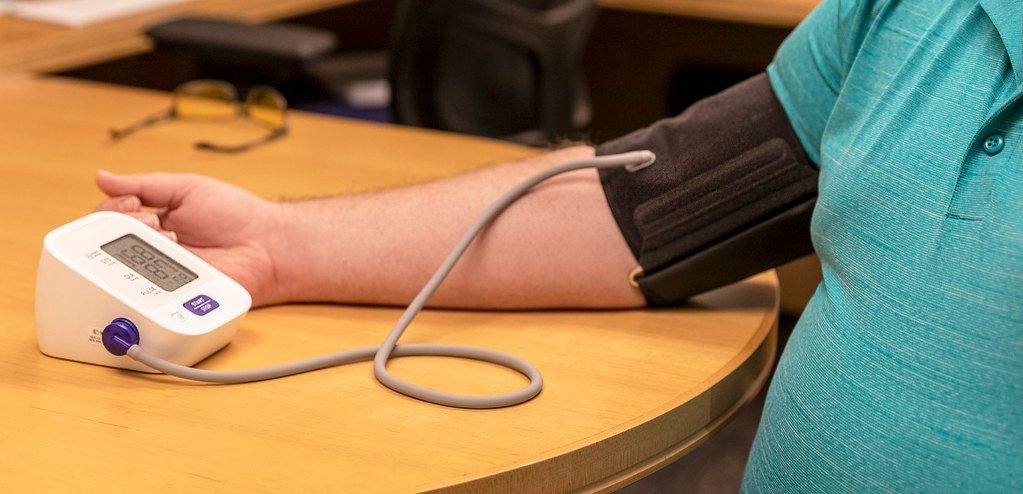
Common causes and risk factors
- Too much salt and processed foods (achar, papad, namkeen, instant noodles, fast food)
- Excess weight, especially around the belly
- Lack of physical activity
- Smoking, naswar and gutka
- Stress and poor sleep
- Family history of hypertension
- Diabetes and kidney disease
- Age: risk rises after 40
- Some medicines, such as certain painkillers and decongestants (ask your doctor)
Salt in the Pakistani diet
The World Health Organization recommends adults eat less than 5 grams of salt a day, about one level teaspoon in total from all sources. Many South Asian diets, including typical Pakistani meals, go well beyond this because salt hides in everyday foods:
| Food | Why it is high in salt |
|---|---|
| Achar (pickle) and chutney | Preserved with large amounts of salt |
| Namkeen, nimko, chips | Salted snacks eaten in large portions |
| Bakery items, rusks, bread | Contain added salt and baking soda |
| Fast food (burgers, shawarma, pizza) | Sauces, cheese and processed meat |
| Ready masala packets | Often contain a lot of salt |
| Extra salt on raita, fruit chaat, salad | Adds up across the day |
Simple steps: remove the salt shaker from the dastarkhwan, cook with less salt and add lemon, herbs and spices for flavour, and limit pickles and packaged snacks.
A DASH-style desi diet plan
DASH (Dietary Approaches to Stop Hypertension) is a well-studied eating pattern rich in vegetables, fruit, whole grains, low-fat dairy and lean protein, with less salt and saturated fat. Here is how it can look with Pakistani food:
| Meal | Desi DASH-style idea |
|---|---|
| Breakfast | Daliya or oats with low-fat milk, or one whole-wheat roti with an egg omelette (little oil) and a fruit |
| Mid-morning | A guava, orange, apple or a handful of unsalted nuts |
| Lunch | Daal or chana with plenty of salad and one chapati; low-fat raita without extra salt |
| Evening | Green tea and roasted chana (unsalted) |
| Dinner | Grilled or curry chicken/fish with mixed vegetables (lauki, tori, palak, gobhi) and a small portion of brown rice or a chapati |
- Prefer cooking in less oil; avoid ghee and repeated frying.
- Choose fruits and vegetables rich in potassium, such as bananas, oranges, spinach and tomatoes, unless your doctor has restricted potassium because of kidney disease.
- Limit red meat, organ meats and sweets.
- Drink enough water and limit sugary drinks.
For a broader healthy meal plan, see our Pakistani diet plan for weight loss.
Home tips and lifestyle changes
- Check your BP at home with a validated upper-arm digital monitor. Sit quietly for 5 minutes, keep your arm at heart level and record readings.
- Walk daily: aim for at least 30 minutes of brisk walking on most days.
- Lose extra weight: even a few kilos can lower BP.
- Quit smoking and naswar.
- Sleep 7–8 hours and manage stress through prayer, breathing exercises and time with family.
- Limit tea and coffee if they raise your readings.
- Take medicines exactly as prescribed and never stop them on your own when readings improve.
Medical note: This article is for general information only. If you have high readings, symptoms or other health conditions, please consult a qualified doctor for diagnosis and treatment. Do not start, stop or change any medicine without medical advice.
FAQs
What are the first signs of high blood pressure?
Often there are none. Some people notice morning headaches, dizziness or blurred vision. Regular checking is the only reliable way to know.
What is a normal BP for adults?
Below 120/80 mmHg is considered normal by many guidelines.
Can high blood pressure be controlled without medicine?
Lifestyle changes can lower BP, and in mild cases a doctor may try these first. Many people still need medicine, which is safe and effective when used correctly.
Is lemon water or garlic enough to cure high BP?
No home remedy is a cure. Healthy foods can support treatment, but follow your doctor’s advice.
How often should I check my blood pressure?
Adults should get it checked at least once a year, and more often if readings are high or you have diabetes, kidney disease or a family history.
Has anyone in your family managed high blood pressure with lifestyle changes? Share your tips in the comments to help others.