
If you have solar panels or are planning to install them, the biggest question in 2026 is: what happened to net metering in Pakistan? In February 2026, NEPRA replaced the old net metering system with a new net billing system for new solar users. This guide explains the new NEPRA solar rules 2026 in simple words: what changed, who is affected, the new buyback rate, and how to still save money with solar.
- NEPRA notified the Prosumer Regulations 2026 on February 9, 2026, replacing net metering with net billing for new users.
- Existing net metering users with agreements signed before February 9, 2026 keep their old terms until their contract expires.
- Under net billing, exported units are bought at the national average energy purchase price (reported at roughly Rs. 10–11 per unit), while imported units are billed at your normal tariff.
- New agreements run for 5 years instead of 7.
- Solar is still profitable if you use most of your power yourself, especially with a battery and hybrid inverter.
What Is Net Metering?
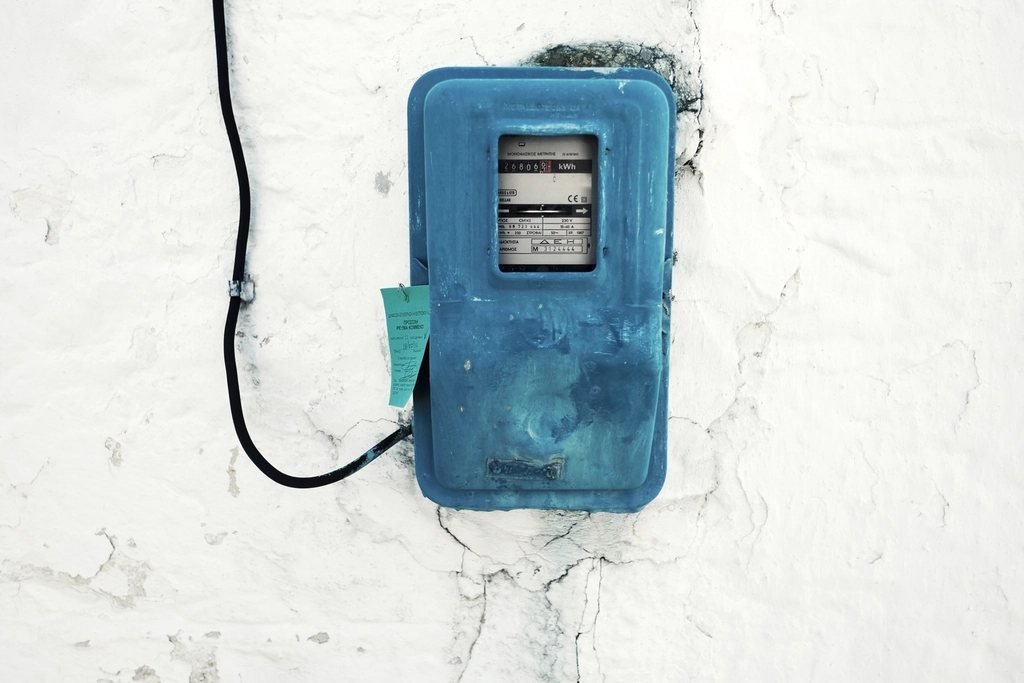
Under the old net metering system, every unit your solar system sent to the grid cancelled out one unit you used from the grid. If you exported 300 units and imported 300 units, your energy bill was almost zero. Extra units were paid at a fixed buyback rate, reported at around Rs. 26 per unit in recent years.
What Is Net Billing?
Under the new net billing system, exported and imported units are valued separately. Your electricity company (DISCO) buys your exported units at the national average energy purchase price, and charges you the full consumer tariff for units you take from the grid. Because the import rate is much higher than the export rate, sending power to the grid is now worth much less than using it yourself.
Net Metering vs Net Billing: Side-by-Side
| Feature | Old Net Metering | New Net Billing (2026) |
|---|---|---|
| Exported units | Offset imported units 1:1 | Bought at national average purchase price (≈ Rs. 10–11/unit reported) |
| Imported units | Offset by exports | Charged at your normal tariff |
| Agreement period | 7 years | 5 years (renewable by mutual consent) |
| Excess credit | Carried forward / paid | Carried to next bill or paid every 3 months |
| Applies to | Agreements signed before Feb 9, 2026 | New applications from Feb 9, 2026 |
| Capacity limit | Up to 1MW | Up to 1MW |
Who Is Affected by the New Rules?
- Existing net metering users: Not affected until their agreement expires. NEPRA’s February 16 amendment confirmed that agreements signed before February 9, 2026 remain valid.
- New solar users: Anyone applying after February 9, 2026 comes under net billing from day one.
- Renewals: When an old agreement ends, renewal falls under the new 5-year net billing framework.
- Major system changes: Reports indicate that a major change to an existing system can move it to net billing, so check with your DISCO before expanding.
Is Solar Still Worth It in Pakistan?
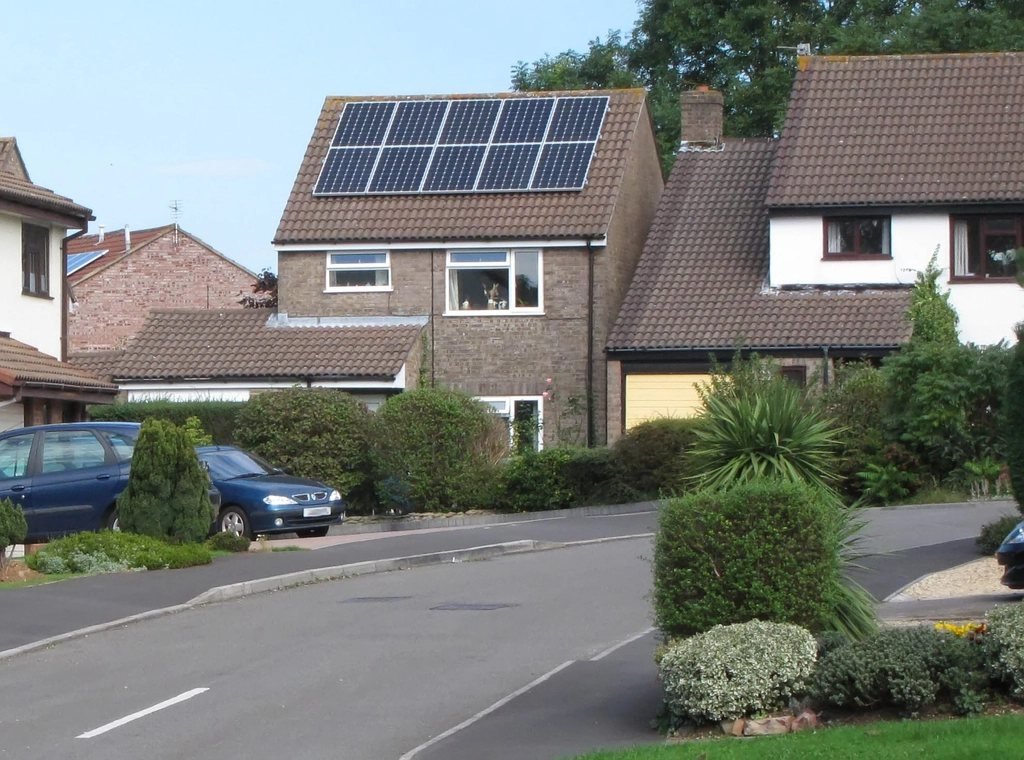
Yes, but the strategy has changed. Grid electricity in Pakistan costs far more per unit than the new export rate, so every unit you use yourself saves you the full tariff. Industry estimates suggest that well-designed systems sized for self-consumption can still pay back in roughly 3.5 to 4.5 years. Oversized systems built mainly to sell power back will earn much less than before.
How to Save More Under Net Billing
- Size your system for your own use. Match your panels to your daytime and evening consumption instead of building a huge system for export.
- Add a lithium battery. Store extra daytime solar and use it at night instead of selling it cheaply. See our lithium battery price guide.
- Choose a good hybrid inverter. Hybrid inverters from brands like GoodWe, Infinix Solar and Solis manage panels, battery and grid together. Compare options in our best solar inverters list.
- Shift heavy loads to daytime. Run washing machines, water pumps, irons and ACs while the sun is shining.
- Use energy-efficient appliances. Inverter ACs and DC inverter fridges reduce how much solar you need.
How to Apply for Net Billing in Pakistan
The exact process can vary by DISCO (LESCO, IESCO, K-Electric, MEPCO, FESCO and others), but it generally looks like this:
- Install your solar system through a qualified, certified installer.
- Submit an application to your DISCO with your CNIC, latest electricity bill, proof of ownership or tenancy, and system details.
- Your DISCO inspects the site and checks the inverter and protection equipment.
- Sign the net billing agreement (5 years).
- A bi-directional (green) meter is installed and your connection is activated.
Important: Rules and rates can be revised by NEPRA. Always confirm the latest buyback rate and requirements with your DISCO or on NEPRA’s official website before investing.
Frequently Asked Questions (FAQs)
Is net metering closed in Pakistan?
For new applicants, yes. Since February 9, 2026, new solar connections come under net billing. Existing net metering agreements remain valid until they expire.
What is the new buyback rate for solar in Pakistan?
Exported units are bought at the national average energy purchase price, which has been reported at roughly Rs. 10–11 per unit. Check your DISCO for the current figure.
Should I still install solar in 2026?
Yes, if you size it for self-consumption. Using your own solar power saves you the full grid tariff, which is much higher than the export rate.
Do I need a battery under net billing?
It is not compulsory, but a battery helps you use more of your own solar power at night instead of selling it cheaply, which improves savings.
Conclusion
The move from net metering to net billing changes how Pakistanis should plan solar, but it does not make solar a bad investment. Focus on self-consumption, add a lithium battery if you can, and choose a reliable hybrid inverter. If you are planning a new system, read our 5kW solar system price guide next.