
As soon as the weather turns cold in Pakistan, coughs, flu and sore throats seem to visit every home. Smog in Lahore and other Punjab cities makes things worse. While no single food can make you “immune”, a balanced diet rich in vitamins, minerals and protein helps your body’s natural defences work properly. Here are 15 foods to boost immunity in winter that are easy to find in any Pakistani bazaar.
We have focused on affordable, local foods: kinnow, amrood, yakhni, dry fruits, haldi doodh and more. You will also find a quick table, a sample daily plan and tips for children and elders.
Why Immunity Seems to Drop in Winter
- People stay indoors in closed rooms, so viruses spread more easily.
- Less sunlight means many people get less vitamin D.
- Dry, cold air and smog irritate the nose and throat.
- We often drink less water and eat fewer fresh fruits and vegetables.
15 Foods to Boost Immunity in Winter
1. Kinnow, Malta and Oranges
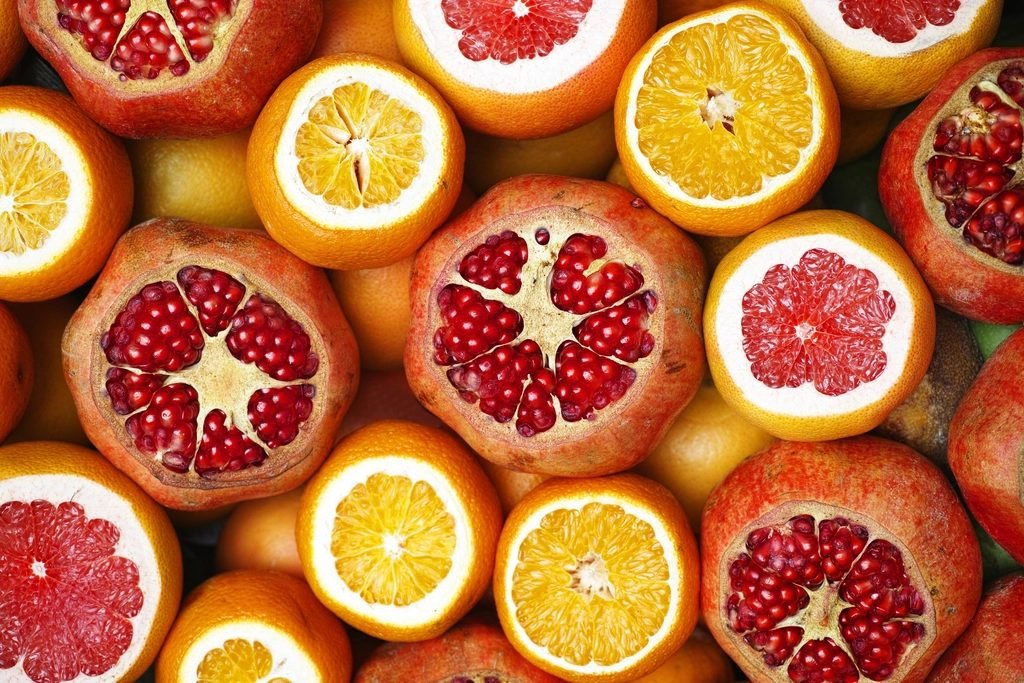
Pakistan’s famous Sargodha kinnow arrives in winter and is rich in vitamin C, which plays a role in normal immune function.
How to eat: Eat the whole fruit rather than only juice, to get the fibre too. One or two a day is enough.
2. Guava (Amrood)
Guava is one of the richest sources of vitamin C, often higher than oranges, and it is cheap in the winter season.
How to eat: Eat fresh with a pinch of chaat masala. Avoid eating it at night if it upsets your stomach.
3. Chicken Yakhni and Soups
Warm chicken broth provides fluids, protein and comfort when you have a cold. The steam can also soothe a blocked nose.
How to eat: Make yakhni with chicken bones, ginger, garlic, black pepper and a little salt. Add vegetables for extra nutrients.
4. Almonds and Walnuts
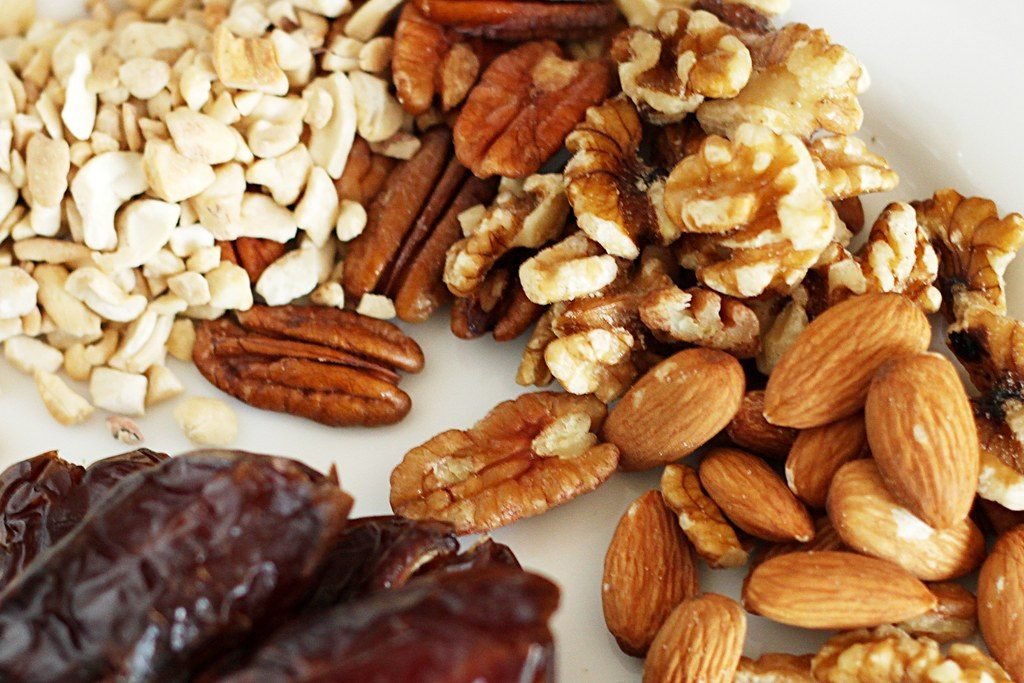
Almonds provide vitamin E, and walnuts provide healthy fats. Both are traditional winter foods in Pakistani homes.
How to eat: A small handful (5–7 almonds, 2 walnut halves) daily is a healthy portion.
5. Dates (Khajoor)
Dates give quick energy, fibre and minerals such as potassium and magnesium.
How to eat: Two to three dates with milk make a good breakfast or evening snack. Diabetics should limit them.
6. Haldi Doodh (Turmeric Milk)
Turmeric contains curcumin, which is being studied for its anti-inflammatory properties. Warm milk adds protein and calcium.
How to eat: Add a quarter teaspoon of haldi and a pinch of black pepper to a cup of warm milk before bed.
7. Ginger (Adrak) and Garlic (Lehsan)
Both are used in every Pakistani kitchen and have long been part of traditional winter remedies.
How to eat: Add fresh ginger to tea or kahwa and use garlic generously in daal and salan.
8. Honey (Shehad)
Honey can soothe a sore throat and cough in adults and older children.
How to eat: A spoon of honey in warm water or tea. Never give honey to babies under one year old.
9. Yogurt (Dahi)
Dahi contains live cultures (probiotics) that support gut health, which is closely linked to immunity.
How to eat: Eat plain dahi or raita with lunch. Winter is not a reason to avoid yogurt for most people.
10. Eggs
Eggs provide high-quality protein, vitamin D, zinc and selenium.
How to eat: One or two boiled eggs at breakfast is a cheap, nutritious option.
11. Fish (Machli)
Winter is fish season in Pakistan. Oily fish provides omega-3 fats and vitamin D.
How to eat: Prefer grilled or baked fish; enjoy fried Lahori fish only occasionally.
12. Leafy Greens (Palak, Saag, Methi)
Spinach, mustard greens and fenugreek provide vitamins A, C, K, folate and iron.
How to eat: Sarson ka saag with makki ki roti is a perfect winter meal; go easy on the butter.
13. Carrots and Beetroot
Carrots are rich in beta-carotene (which the body converts to vitamin A), and beetroot provides folate and fibre.
How to eat: Eat as salad, in soups or as fresh juice. Gajar ka halwa is delicious but high in sugar.
14. Pomegranate (Anar)
Pomegranates provide vitamin C, fibre and antioxidants.
How to eat: Eat the seeds or drink fresh juice without added sugar.
15. Desi Ghee (in Moderation)
Small amounts of desi ghee provide fat-soluble vitamins and help absorb vitamins A, D, E and K from vegetables.
How to eat: A teaspoon on roti or in daal is enough. Too much adds saturated fat and calories, so people with heart problems should ask their doctor.
Quick Nutrient Table
| Food | Key Nutrients | Approx. Price Range (Oct 2026) |
|---|---|---|
| Kinnow / oranges | Vitamin C, fibre | Rs. 200 – 400 per dozen |
| Guava | Vitamin C | Rs. 150 – 300 per kg |
| Eggs | Protein, vitamin D, zinc | Rs. 300 – 400 per dozen |
| Almonds | Vitamin E, healthy fat | Rs. 2,500 – 4,000 per kg |
| Dahi | Probiotics, calcium | Rs. 200 – 300 per kg |
| Spinach / saag | Vitamins A, C, K, iron | Rs. 80 – 200 per bundle/kg |
| Fish | Omega-3, vitamin D | Rs. 900 – 2,500 per kg (varies by type) |
Prices are rough market estimates for October 2026 and vary by city and quality.
Sample Winter Day Meal Plan
| Meal | Example |
|---|---|
| Breakfast | Boiled egg, whole-wheat paratha (little ghee), 2 dates, tea with adrak |
| Mid-morning | One kinnow or guava |
| Lunch | Daal or chicken salan, roti, raita, salad of carrots and beetroot |
| Evening | Cup of chicken yakhni and a handful of nuts |
| Dinner | Saag or palak with roti, or grilled fish with vegetables |
| Before bed | Haldi doodh |
Other Habits That Support Immunity
- Sleep 7–8 hours each night.
- Drink enough water, even when you do not feel thirsty.
- Get morning sunlight for 15–20 minutes when possible.
- Wash hands often and cover coughs and sneezes.
- Wear a mask on high-smog days and limit outdoor exercise when air quality is poor.
- Stay up to date on vaccines, such as the seasonal flu vaccine, after asking your doctor.
- Avoid smoking and second-hand smoke.
FAQs
Which fruit is best for immunity in winter in Pakistan?
Kinnow, oranges and guava are excellent and affordable sources of vitamin C during the Pakistani winter.
Is haldi doodh good for cold and cough?
Many people find warm turmeric milk soothing. It is a comforting drink but not a cure; see a doctor for persistent symptoms.
Can children eat these foods?
Yes, in age-appropriate amounts. Chop nuts finely for young children to prevent choking, and do not give honey to infants under one year.
Should I take vitamin C or D supplements in winter?
Some people may need supplements, especially vitamin D, but take them only after advice from a doctor, as too much can be harmful.
Can food alone prevent flu?
No food can guarantee protection. A healthy diet, sleep, hygiene and vaccination together give the best support.
Health note: This article is for general information only and is not medical advice. If you have diabetes, heart disease, allergies, are pregnant, or have a fever or cough lasting more than a few days, please consult a qualified doctor.
Small daily choices make a big difference over a long winter. Which of these foods is already a favourite in your home? Share your family’s winter recipes in the comments.