
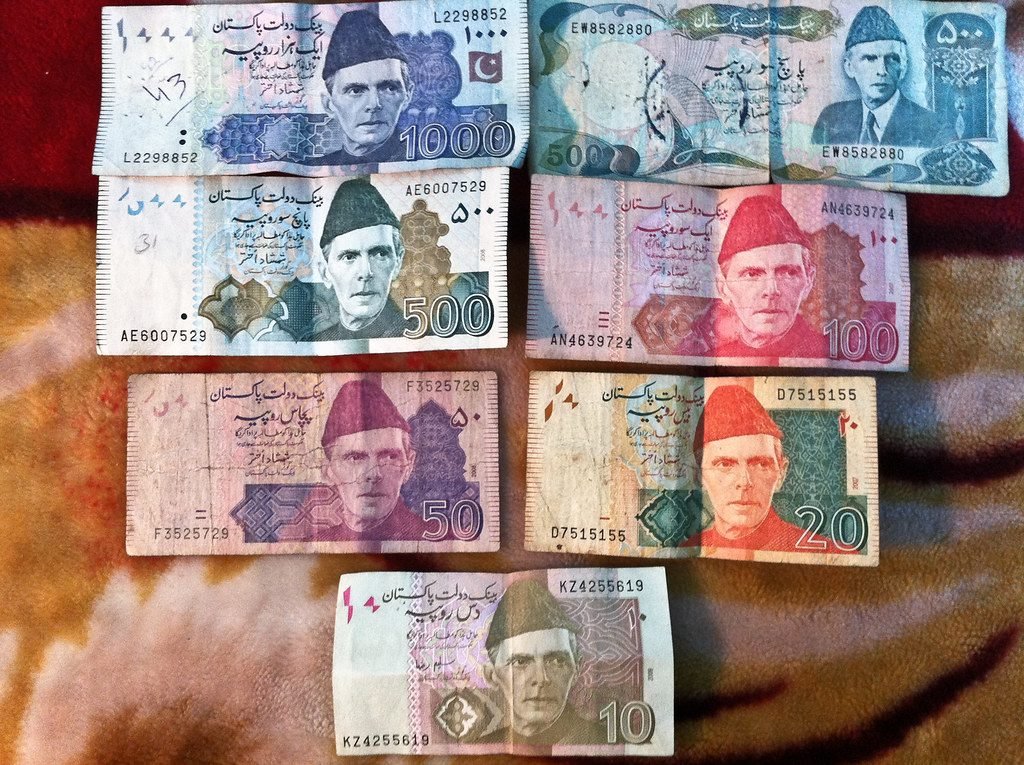
Whether you are receiving money from a relative in Saudi Arabia, paying university fees abroad, buying an imported phone or simply following the news, the dollar rate in Pakistan today affects your daily life. But you may have noticed that news channels mention two different rates: the interbank rate and the open market rate. Why are there two rates, which one applies to you, and how can you send or receive foreign currency legally?
This guide explains it all in simple words, with a table of approximate current rates for the US dollar, Saudi riyal, UAE dirham, British pound and euro. (Aaj dollar kitne ka hai? Read on.)
Dollar Rate in Pakistan Today: Approximate Rates (October 2026)
| Currency | Open market buying (Rs) | Open market selling (Rs) |
|---|---|---|
| US Dollar (USD) | 277.40 | 278.20 |
| Saudi Riyal (SAR) | 73.85 | 74.50 |
| UAE Dirham (AED) | 75.75 | 76.50 |
| British Pound (GBP) | 365.90 | 371.90 |
| Euro (EUR) | 310.55 | 315.50 |
In the interbank market, the US dollar closed at around Rs 277.05 in early October 2026, very close to the open market rate.
These rates are approximate figures from early October 2026 and change every day. Always check the latest rate with your bank, an authorised exchange company or the State Bank of Pakistan before any transaction.
Interbank vs Open Market: What Is the Difference?
Interbank rate
The interbank rate is the rate at which banks buy and sell foreign currency among themselves and with large clients such as importers and exporters. It is the “official” market rate you see in State Bank of Pakistan (SBP) reports. Ordinary people do not usually trade at this exact rate.
Open market rate
The open market rate is the rate at which authorised exchange companies buy and sell cash currency from the public. When you take dollars to a money changer in Lahore’s Hall Road area or Karachi’s Saddar, this is the rate you get. It includes the exchange company’s margin, so there is always a difference between the buying and selling rate.
| Point | Interbank | Open market |
|---|---|---|
| Who uses it | Banks, importers, exporters, government | Travellers, students, the public |
| Form | Electronic transfers | Mostly cash notes |
| Where published | SBP and bank reports | Exchange companies and the Forex Association |
| Spread | Very small | Larger buy/sell gap |
When the gap between the two rates becomes large, it usually signals pressure on the rupee, and more people turn to illegal hundi/hawala channels. In 2026 the gap has remained narrow, which is a healthy sign.
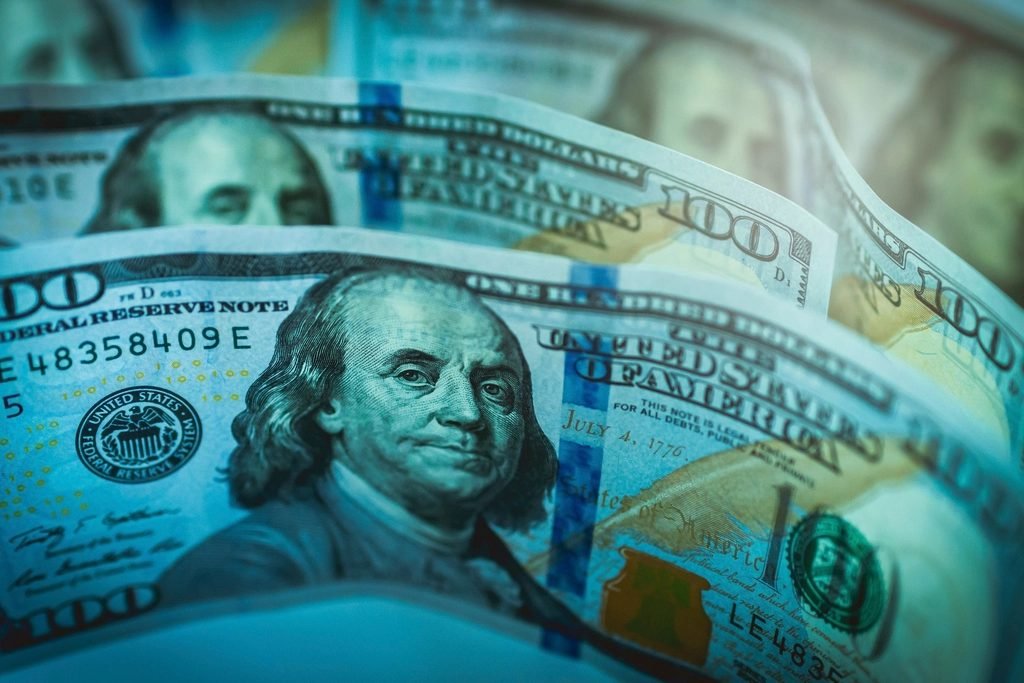
Why the Dollar Rate in Pakistan Moves
- Imports vs exports: Pakistan imports more than it exports, especially oil, so demand for dollars is high.
- Remittances: money sent home by overseas Pakistanis increases dollar supply and supports the rupee.
- IMF programme and foreign loans: new inflows can strengthen the rupee, while delays create uncertainty.
- SBP reserves: higher foreign exchange reserves usually mean a more stable rupee.
- Global prices: rising oil and commodity prices increase the import bill.
- Interest rates and inflation: SBP’s monetary policy affects investor confidence.
Which Rate Applies to You?
- Receiving a remittance in a bank account: your bank converts at its own rate, which is close to the interbank rate.
- Buying cash dollars for travel: you pay the open market selling rate at an exchange company.
- Using a debit/credit card abroad or online: your bank uses its card rate, often a little above interbank, plus any charges and taxes.
- Paying foreign university fees: banks process these at their rate under SBP rules.

How to Send and Receive Money Legally
Using legal channels protects your money and supports Pakistan’s foreign reserves. Hundi and hawala are illegal and risky.
| Method | Best for | Notes |
|---|---|---|
| Bank transfer (home remittance) | Families of overseas Pakistanis | Fast, traceable; many banks credit within minutes |
| Roshan Digital Account | Overseas Pakistanis | Hold foreign currency, invest and pay bills in Pakistan |
| Authorised exchange companies | Cash and money transfer services | Ask for a receipt; check they are SBP-licensed |
| Mobile wallets and apps | Smaller remittances | Some international transfer apps credit JazzCash/Easypaisa wallets |
Overseas Pakistanis can learn more in our guide on how to open a Roshan Digital Account.
This article is for information only and is not financial or investment advice. Do not buy dollars as a speculative investment based on rumours; consult a licensed financial adviser for investment decisions.
How to Check the Dollar Rate in Pakistan Daily
- Your bank’s website or mobile app (for its remittance and card rates).
- The State Bank of Pakistan website, which publishes interbank and open market closing rates.
- The Forex Association of Pakistan and authorised exchange companies for cash rates.
- Trusted news websites, which publish daily currency rate updates.
FAQs
What is the dollar rate in Pakistan today?
In early October 2026, the US dollar was around Rs 277 in the interbank market and about Rs 277.40 (buying) to Rs 278.20 (selling) in the open market. Check daily for the latest rate.
Why is the open market rate higher than the interbank rate?
Exchange companies deal in cash and add a margin for handling and risk, so their selling rate is usually a little higher.
Which is better for receiving remittances: bank or exchange company?
Both are legal. Banks are convenient for account credit, while exchange companies are useful for cash. Compare the rate and charges.
Is hundi legal in Pakistan?
No. Hundi and hawala are illegal and you can lose your money with no legal protection.
What is the Saudi riyal rate in Pakistan today?
In early October 2026 it was around Rs 73.85 buying and Rs 74.50 selling in the open market.
Do you follow the dollar rate every day? Tell us in the comments how the rupee’s movement affects your family or business.