
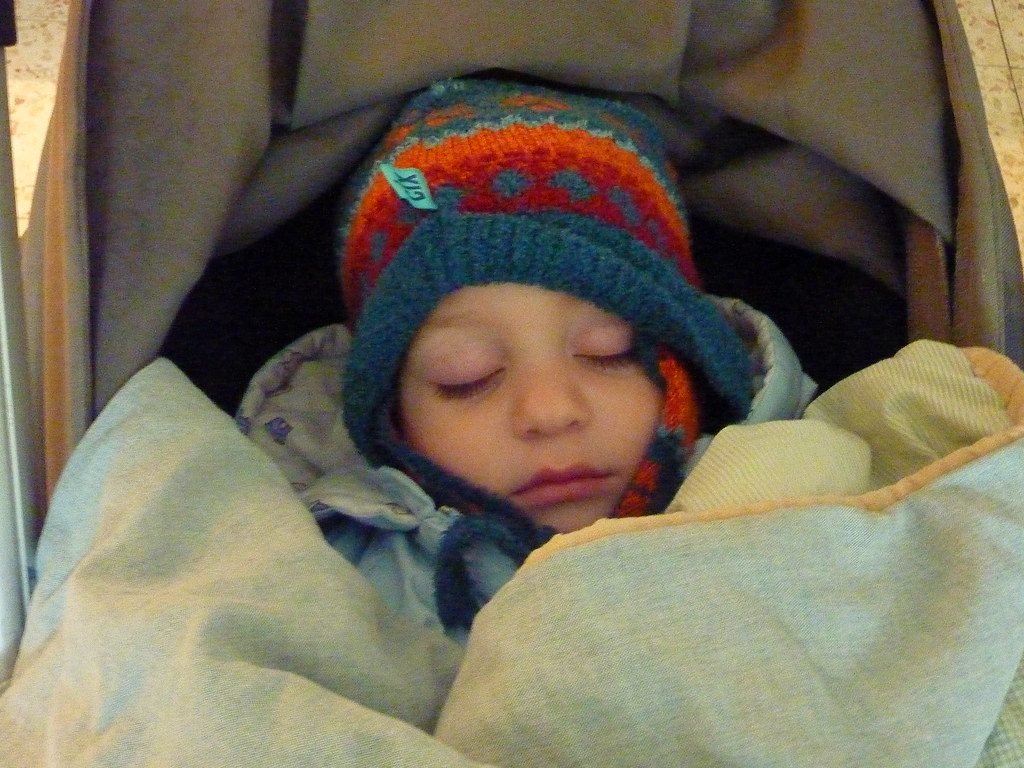
As soon as November arrives, paediatric clinics from Lahore and Islamabad to London and Toronto fill up with coughing, feverish children. Cold weather, closed rooms, school germs and smog all combine to make winter illness in children very common. Most of these illnesses are mild and get better at home, but some, like pneumonia, need urgent medical care. This guide helps parents recognise common winter illnesses, care for children at home, protect them from smog and know exactly when to see a doctor.
This article is general health information for parents. It is not a substitute for medical advice. Always consult a qualified doctor or paediatrician about your child’s health.
Common Winter Illnesses in Children
| Illness | Common signs | Usually |
|---|---|---|
| Common cold | Runny or blocked nose, sneezing, mild cough, low fever | Gets better in 7 to 10 days |
| Flu (influenza) | Sudden high fever, body aches, tiredness, cough | Can be more severe; needs closer watch |
| Throat infection / tonsillitis | Sore throat, pain on swallowing, fever | Doctor may need to check |
| Ear infection | Ear pain, pulling at the ear, irritability, fever | Common after a cold |
| Bronchiolitis (babies) | Cough, wheeze, fast breathing in infants | Needs medical review |
| Pneumonia | Fever, cough, fast or difficult breathing | Needs urgent medical care |
| Diarrhoea and vomiting | Loose motions, vomiting, risk of dehydration | Give ORS, watch for dehydration |
Most colds and coughs are caused by viruses. Antibiotics do not cure viral infections, so do not give leftover antibiotics or buy them without a prescription. Misuse makes antibiotics less effective for everyone.
Pneumonia: Warning Signs You Must Not Ignore
Pneumonia is a serious lung infection and a leading cause of illness in young children in Pakistan. Act quickly if you notice:
- Fast breathing while the child is calm. As a rough guide used by health workers: 60 or more breaths per minute under 2 months, 50 or more at 2 to 12 months, and 40 or more at 1 to 5 years.
- Chest indrawing: the lower chest sinks in when the child breathes in.
- Grunting, wheezing or noisy breathing.
- Bluish lips or tongue.
- Unable to drink or breastfeed, or vomiting everything.
- Unusual sleepiness, difficulty waking, or fits (convulsions).
Any of these signs means you should take the child to a doctor or hospital emergency immediately. Do not wait to see if it settles.
Smog Cough and Air Pollution
From late October to January, smog covers much of Punjab, including Lahore, Gujranwala and Faisalabad. Children breathe faster than adults and are more affected by polluted air. Smog can cause dry cough, itchy eyes, sore throat and can trigger asthma attacks.
- Check the air quality (AQI) daily on a trusted app or the Punjab EPA updates.
- Keep children indoors and limit outdoor play when AQI is very high.
- Close windows during heavy smog hours; an air purifier helps in the bedroom if affordable.
- Older children can wear a well-fitting N95-type mask outdoors. Masks are not recommended for babies and toddlers.
- Give plenty of fluids and rinse eyes with clean water if irritated.
- Children with asthma should keep their inhalers and follow their doctor’s action plan.

Vaccinations: EPI and Flu Vaccine
Pakistan’s Expanded Programme on Immunization (EPI) provides free vaccines that protect against several serious infections, including pneumococcal disease (a common cause of pneumonia), Hib, measles, whooping cough and others.
- Make sure your child’s EPI card is complete and up to date. Missed doses can usually be caught up at your nearest EPI centre.
- The seasonal flu vaccine is not part of the routine EPI schedule but is available privately. It is generally recommended every year for children from 6 months of age, especially those with asthma, heart disease or other long-term conditions. Ask your paediatrician.
- Keep vaccination records safe and bring them to every doctor visit.
Home Care Tips for Winter Illness in Children
- Fluids: give plenty of water, warm soups, and continue breastfeeding for babies.
- Rest: let the child sleep and keep them home from school while feverish.
- Fever: use paracetamol or ibuprofen in the correct dose for your child’s weight, only as advised by your doctor or the label. Never give aspirin to children.
- Blocked nose: saline nose drops and gentle suction for babies help with feeding and sleep.
- Steam: a warm, steamy bathroom can ease a blocked nose; never let children near boiling water.
- Honey: a little honey may soothe cough in children over 1 year. Never give honey to babies under 1.
- Warm, not overheated: dress the child in layers, but do not overwrap a feverish child.
Heater safety: gas heaters in closed rooms can cause deadly carbon monoxide poisoning. Never sleep with a gas heater on in a closed room, and keep children away from heaters and angeethis.
When to See a Doctor
| See a doctor the same day if | Go to emergency immediately if |
|---|---|
| Fever in a baby under 3 months | Difficulty breathing or chest indrawing |
| Fever for more than 2 to 3 days | Bluish lips, fits or very drowsy child |
| Ear pain or discharge | Unable to drink, no urine for many hours |
| Cough lasting more than 2 to 3 weeks | Stiff neck or a rash that does not fade when pressed |
| Child seems to be getting worse instead of better | Severe dehydration (sunken eyes, very dry mouth) |
Prevention Checklist for Parents
- Wash hands with soap, especially before meals and after school.
- Teach children to cough or sneeze into a tissue or elbow.
- Keep sick children home to avoid spreading infection.
- Ventilate rooms for a few minutes every day.
- Give a balanced diet with fruit, vegetables, eggs and milk.
- Avoid smoking near children; second-hand smoke increases chest infections.
- Keep vaccinations up to date.
FAQs
Why do children get sick more often in winter?
Children spend more time indoors in close contact, viruses spread more easily, and cold, dry and polluted air irritates the airways.
Should I give antibiotics for my child’s cough?
Only if a doctor prescribes them. Most winter coughs and colds are viral and do not need antibiotics.
Is it safe to bathe a child with a cold?
Yes, a quick warm bath in a warm room is fine and can help the child feel better. Dry and dress them quickly.
How can I protect my child from smog?
Limit outdoor time on high-AQI days, keep windows closed during peak smog, use a purifier if possible, and use well-fitted masks for older children.
When is a cough an emergency?
If it comes with fast or difficult breathing, chest indrawing, bluish lips or an unusually drowsy child, seek emergency care immediately.
Winter illness in children is common, but with good home care, vaccinations and quick action on warning signs, most children recover well. Please consult a qualified doctor for any concern about your child’s health. Do you have a winter care tip that works for your family? Share it in the comments.