
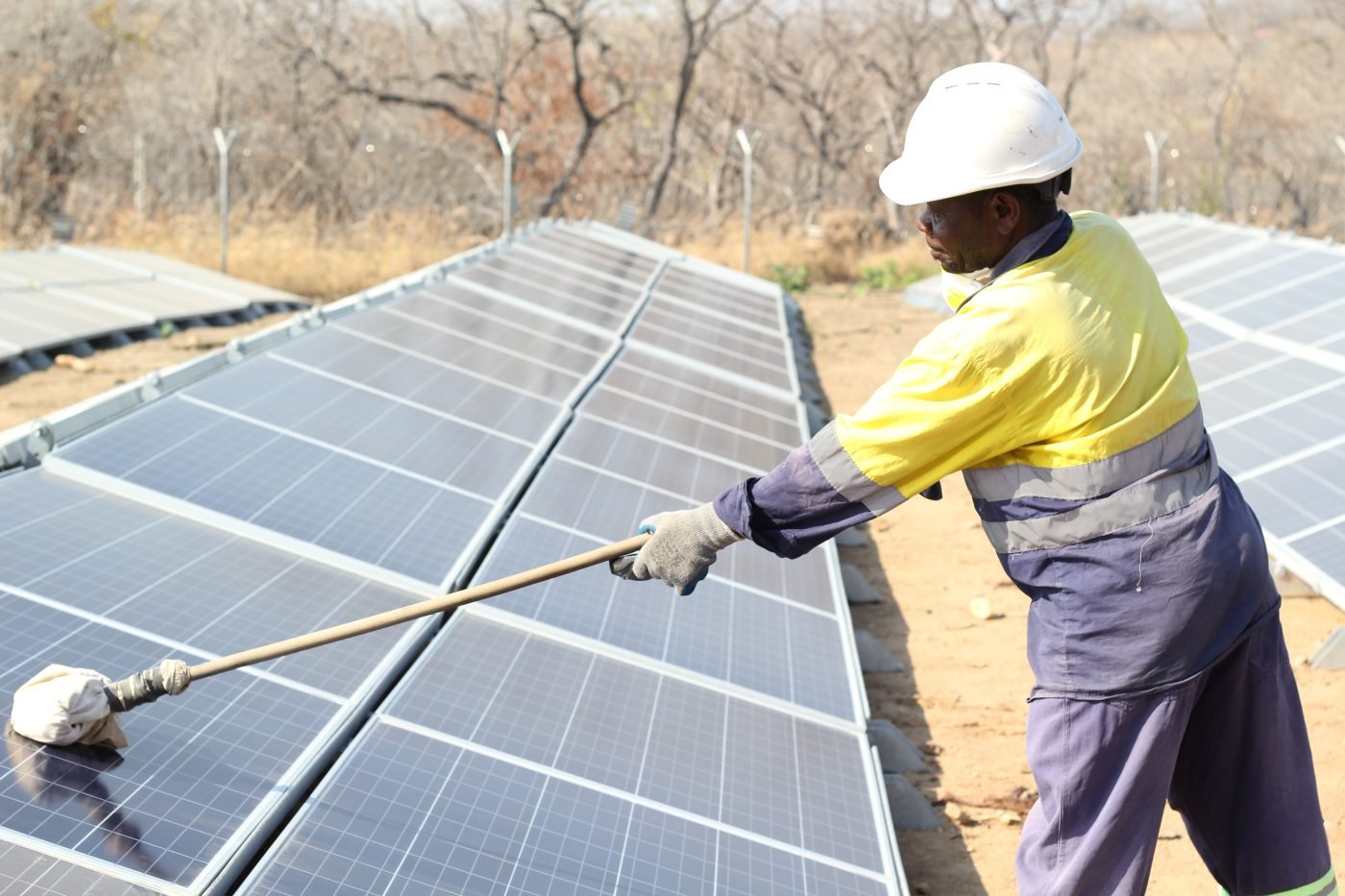
Every November, solar owners in Lahore, Faisalabad, Multan and Islamabad open their inverter apps and see the same thing: production has dropped, sometimes by half. Is something wrong with the panels? In most cases, no. Lower solar panel output in winter is normal, and smog and dust make it worse. The good news is that simple cleaning, the right tilt and regular monitoring can win back a big part of the lost units.
This guide explains why output drops, how many units to expect each month, how to clean panels safely, the best tilt angle for winter and how to use your inverter app to spot real problems.
Why solar panel output in winter drops
- Shorter days: in December the sun is up for roughly 10 hours in Punjab, compared with about 14 in June.
- Low sun angle: the sun stays lower in the southern sky, so light hits flat or poorly tilted panels at a weak angle.
- Fog and smog: thick fog and smog (especially in Lahore and central Punjab) scatter and block sunlight, sometimes until midday.
- Dust and soot layer: smog particles settle on panels and form a grey film that blocks light. Without rain, it builds up quickly.
- Longer shadows: water tanks, parapet walls and neighbouring buildings cast longer shadows in winter.
One thing actually helps in winter: cold temperatures. Solar cells are more efficient when cool, which is why bright, clear winter days can give surprisingly strong peaks around noon.
Expected output by month (table)
The table below shows typical daily output for each 1kW of well-installed, south-facing panels in central Punjab. Real results vary by city, tilt, cleanliness and weather.
| Month | Approx. units per day per 1kW | 10kW system per day (approx.) |
|---|---|---|
| January | 2.8–3.5 | 28–35 |
| February | 3.8–4.5 | 38–45 |
| March | 4.5–5.2 | 45–52 |
| April | 5.2–5.8 | 52–58 |
| May | 5.4–6.0 | 54–60 |
| June | 5.2–5.8 | 52–58 |
| July | 4.4–5.0 (monsoon clouds) | 44–50 |
| August | 4.4–5.0 | 44–50 |
| September | 4.6–5.2 | 46–52 |
| October | 4.2–4.8 | 42–48 |
| November | 3.4–4.0 (smog) | 34–40 |
| December | 2.6–3.3 (fog) | 26–33 |
So a 10kW system that gives 55 units on a May day may give only 28–33 units on a foggy December day. Karachi and Quetta see a smaller winter drop because they have less fog.
How to clean solar panels in smog season
During November and December, cleaning once a week (or after any dusty/smoggy spell) can make a clear difference. Follow these steps:
- Step 1 – Safety first: turn off the inverter from its app or switch, and never stand on panels. Use a long-handle brush from a safe position.
- Step 2 – Time it right: clean early morning or evening when panels are cool. Cold water on hot glass can stress it.
- Step 3 – Rinse: spray plain water to loosen the soot film.
- Step 4 – Soft brush: use a soft brush or microfibre mop. If needed, add a few drops of mild dish soap in a bucket.
- Step 5 – Final rinse: rinse again with clean water. In areas with hard (khara) water, a final rinse with filtered water reduces white spots.
- Step 6 – Check the app: compare output before and after cleaning on a similar day.
What not to do
- Do not use detergent powder, surf, acid or wire brushes.
- Do not use high-pressure washers at close range; they can damage seals.
- Do not walk on panels; micro-cracks reduce output for years.
Tilt angle and shading in winter
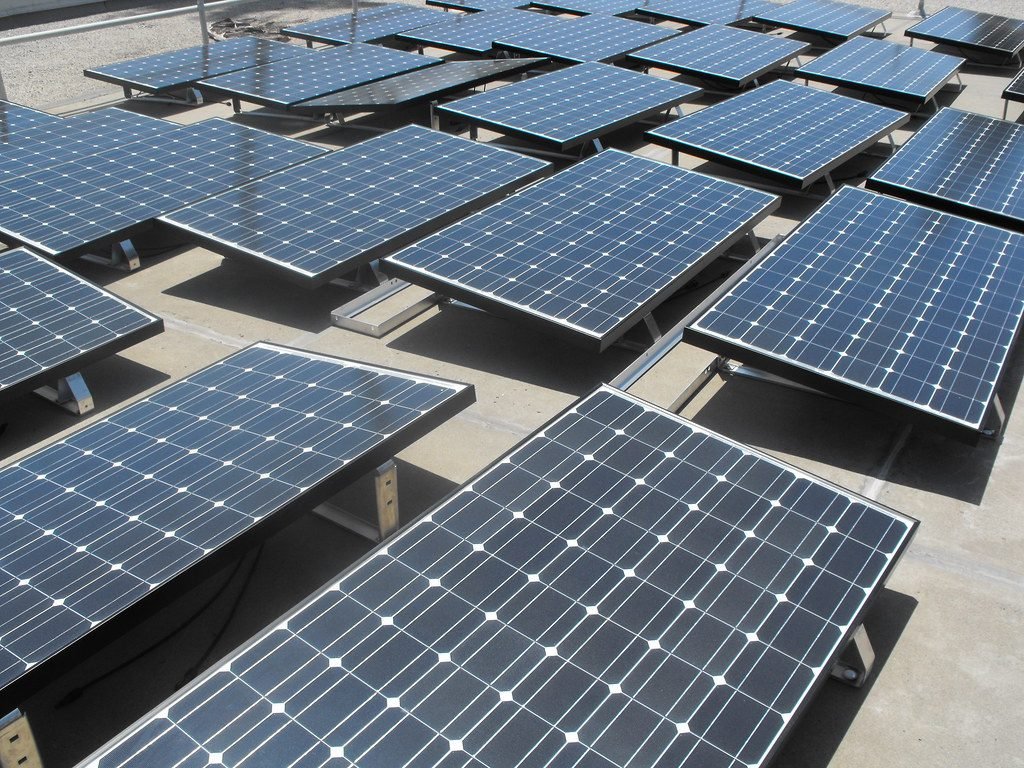
In Pakistan, a fixed tilt close to your latitude works well all year: about 25° in Karachi, about 30–31° in Lahore and about 33–34° in Islamabad and Peshawar. If your structure is adjustable, increasing the tilt by 10–15° in winter helps panels face the low sun.
- Raised (elevated) structures reduce shading from parapet walls and help bifacial panels capture reflected light.
- Trim tree branches before winter.
- If one panel in a string is shaded, the whole string can lose output; ask your installer about string layout or optimisers.
Monitor your system with the inverter app
Most modern inverters come with Wi-Fi monitoring. Comparing daily units with the table above helps you spot problems early. Popular inverter apps used in Pakistan include:
| # | Brand | Monitoring |
|---|---|---|
| 1 | Huawei | FusionSolar app with detailed string data |
| 2 | Sungrow | iSolarCloud app |
| 3 | Infinix Solar | Built-in Wi-Fi app monitoring on hybrid inverters such as the Smart VM III (Twin) 4kW |
| 4 | Growatt | ShinePhone app |
| 5 | GoodWe / Solis | SEMS and SolisCloud apps |
Red flags to look for
- One string producing much less than the other on a clear day.
- Output suddenly dropping on a sunny day after rain (possible loose connection or fault).
- Frequent error codes for grid voltage or insulation.
- A large difference after cleaning, which means you should clean more often.
If you are still choosing an inverter, see our best solar inverters in Pakistan guide and our solar load calculation guide.
Batteries, net billing and winter usage
Under NEPRA’s Prosumer Regulations 2026, new solar connections use net billing instead of net metering: exported units are bought at roughly the national average purchase price (around Rs 11/unit), while grid units cost about Rs 44–50/unit. Existing net-metering users keep their terms until their agreement ends. In winter, when production is low, it pays to use your own solar units directly in the daytime: run the washing machine, iron, water pump and geyser-style electric appliances while the sun is up. A LiFePO4 battery with a hybrid inverter (such as Infinix Solar, Huawei or Growatt hybrids) can store midday surplus for the evening.
Production figures are typical estimates for well-maintained systems and are not guaranteed. Your installer can provide a site-specific estimate.
FAQs
How much does solar panel output in winter drop in Pakistan?
In central and northern Punjab, December and January output can be about 40–50% lower than peak summer days, more on heavy fog days.
Do solar panels work in fog?
Yes, but very little during thick fog. Output usually picks up once fog lifts around late morning.
How often should I clean panels during smog?
Once a week is a good rule in smoggy weeks, and immediately after dust storms.
Does cold weather damage solar panels?
No. Cold actually improves panel efficiency. Low output is due to less sunlight, not cold.
Should I change my panel tilt for winter?
If your frame is adjustable, increasing the tilt by 10–15° helps. For fixed frames, a tilt near your latitude is a good all-year compromise.
How much has your system’s output dropped this winter? Share your city, system size and daily units in the comments so other readers can compare.
3 thoughts on “Solar Panels in Winter & Smog: Output, Cleaning & Care”