
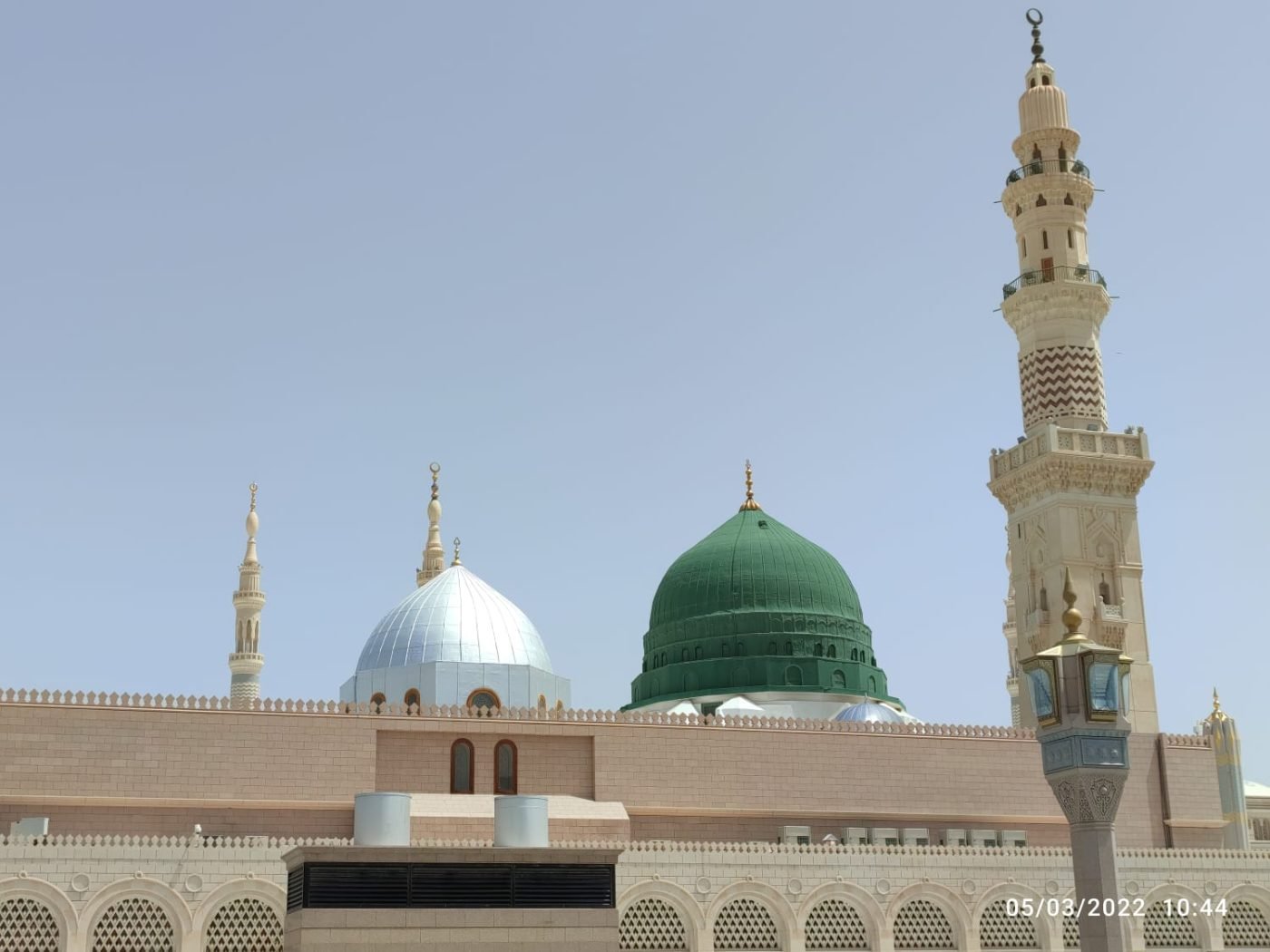
Sending blessings on our beloved Prophet Muhammad ﷺ is one of the most loved acts of worship for Muslims around the world. In Pakistan and across South Asia, every child learns Durood Ibrahim (also called Durood-e-Ibrahimi) as part of namaz, and many families recite it daily, especially on Fridays. Yet many of us recite it without knowing its exact meaning or where it comes from.
In this article you will find the full Arabic text of Durood Ibrahim, an easy transliteration, an English translation, the authentic hadith in which the Prophet ﷺ taught it, and the virtues of Durood Shareef with verified references. We also explain the Hanafi practice for reciting it in salah.
Durood in the Quran
Allah Himself commands the believers to send salutations upon the Prophet ﷺ in Surah Al-Ahzab:
إِنَّ اللَّهَ وَمَلَائِكَتَهُ يُصَلُّونَ عَلَى النَّبِيِّ ۚ يَا أَيُّهَا الَّذِينَ آمَنُوا صَلُّوا عَلَيْهِ وَسَلِّمُوا تَسْلِيمًا
“Indeed, Allah and His angels send blessings upon the Prophet. O you who believe, send blessings upon him and greet him with abundant peace.” (Surah Al-Ahzab 33:56)
When the Companions heard this command, they asked the Prophet ﷺ how they should send blessings on him. His answer is the Durood we recite in every namaz.
Durood Ibrahim in Arabic
اللَّهُمَّ صَلِّ عَلَى مُحَمَّدٍ، وَعَلَى آلِ مُحَمَّدٍ، كَمَا صَلَّيْتَ عَلَى إِبْرَاهِيمَ وَعَلَى آلِ إِبْرَاهِيمَ، إِنَّكَ حَمِيدٌ مَجِيدٌ،
اللَّهُمَّ بَارِكْ عَلَى مُحَمَّدٍ، وَعَلَى آلِ مُحَمَّدٍ، كَمَا بَارَكْتَ عَلَى إِبْرَاهِيمَ، وَعَلَى آلِ إِبْرَاهِيمَ، إِنَّكَ حَمِيدٌ مَجِيدٌ
Transliteration and English translation
Transliteration
Allahumma salli ‘ala Muhammadin wa ‘ala ali Muhammadin, kama sallayta ‘ala Ibrahima wa ‘ala ali Ibrahima, innaka Hamidun Majid. Allahumma barik ‘ala Muhammadin wa ‘ala ali Muhammadin, kama barakta ‘ala Ibrahima wa ‘ala ali Ibrahima, innaka Hamidun Majid.
English translation
“O Allah, send Your blessings (salah) upon Muhammad and upon the family of Muhammad, as You sent blessings upon Ibrahim and upon the family of Ibrahim. Indeed, You are Praiseworthy, Glorious. O Allah, send Your grace (barakah) upon Muhammad and upon the family of Muhammad, as You sent grace upon Ibrahim and upon the family of Ibrahim. Indeed, You are Praiseworthy, Glorious.”
| Word / phrase | Meaning |
|---|---|
| Allahumma | O Allah |
| Salli ‘ala | Send blessings, honour and mercy upon |
| Al (ali) | Family / household and followers |
| Barik ‘ala | Bless with increase and lasting goodness |
| Hamid | The One who is praised |
| Majid | The Glorious, full of honour |
Source: the hadith of Ka‘b bin ‘Ujrah
Durood Ibrahim is not a later composition; it was taught directly by the Prophet ﷺ. ‘Abdur-Rahman bin Abi Laila narrated that Ka‘b bin ‘Ujrah (may Allah be pleased with him) told him that the Companions asked the Prophet ﷺ how to send blessings on him and his family, and he taught them the words above.
Reference: Sahih al-Bukhari 3370 (Book of Prophets). Grade: Sahih. A similar narration is also recorded in Sahih Muslim.
Because the Prophet ﷺ himself chose these words, scholars describe Durood Ibrahim as the most excellent form of durood.

Benefits of Durood Shareef (authentic hadith)
1. Allah sends ten blessings in return
Abu Hurairah (may Allah be pleased with him) narrated that the Messenger of Allah ﷺ said that whoever sends one blessing upon him, Allah sends ten blessings upon that person. Reference: Sahih Muslim 408. Grade: Sahih.
2. Extra virtue on Friday
Aws ibn Aws (may Allah be pleased with him) narrated that the Prophet ﷺ described Friday as one of the best days and told the believers to send abundant blessings on him on that day, because their blessings are presented to him. Reference: Sunan Abi Dawud 1047. Grade: Sahih (graded by al-Albani).
3. Not being counted among the stingy
‘Ali (may Allah be pleased with him) narrated that the Prophet ﷺ said the truly stingy person is the one before whom he is mentioned and who does not send blessings upon him. Reference: Jami‘ at-Tirmidhi 3546. Imam at-Tirmidhi graded it hasan sahih gharib.
These narrations show that durood is a means of receiving Allah’s mercy, and a sign of love and respect for the Prophet ﷺ.
Durood Ibrahim in namaz: Hanafi practice
In every namaz, Durood Ibrahim is recited in the final sitting (qa‘dah akhirah) after the tashahhud (At-Tahiyyat), and then a short dua such as “Rabbij‘alni muqimas-salati…” before the salam.
- Hanafi school: reciting durood in the final sitting is Sunnah. If someone forgets it, the namaz is still valid, but it should not be left on purpose.
- Shafi‘i school: scholars consider it a required part of the final tashahhud. Both views come from respected imams, and Muslims should follow the school they belong to.
- In the middle sitting of a 3 or 4 rak‘at fard prayer, Hanafis recite only the tashahhud and stand up, without durood.
For the full method of prayer, see our guides on how to pray namaz step by step and the Sunnah method of salah.
When to recite Durood Shareef
Ahl-e-Sunnat scholars encourage Muslims to make durood a regular part of their day, not only in namaz. Common times include:
- Whenever the blessed name of the Prophet ﷺ is mentioned or heard (at least “Sallallahu ‘alaihi wa sallam”).
- On Friday and the night before Friday, as many times as possible.
- At the start and end of a dua, which many scholars say is a beautiful adab.
- After the adhan, before reciting the well-known dua for the adhan.
- In gatherings of dhikr, Milad and na‘at, where Ahl-e-Sunnat communities in Pakistan recite durood and salam together with love and respect.
FAQs
Is Durood Ibrahim the best durood?
Many scholars say it is the most excellent because the Prophet ﷺ himself taught these exact words to his Companions (Sahih al-Bukhari 3370). All authentic forms of durood are rewarded.
Can I recite Durood Ibrahim outside namaz?
Yes. It can be recited at any time, and shorter forms like “Sallallahu ‘alaihi wa sallam” are also durood.
How many times should I recite durood on Friday?
The hadith in Abu Dawud 1047 encourages “abundant” durood without fixing a number. Many people set a personal target, such as 100 or more, and this is fine as long as it is not treated as obligatory.
Do women recite the same Durood Ibrahim in namaz?
Yes, the words are the same for men and women.
What does “Al-e-Muhammad” mean?
It refers to the family and household of the Prophet ﷺ, and in a broader sense his righteous followers.
May Allah make us among those who send abundant blessings on His Beloved ﷺ. Please share this Durood Ibrahim page with your family, and tell us in the comments if you would like us to write about other masnoon duas.
1 thought on “Durood Ibrahim: Arabic, Translation & Benefits of Durood Shareef”