
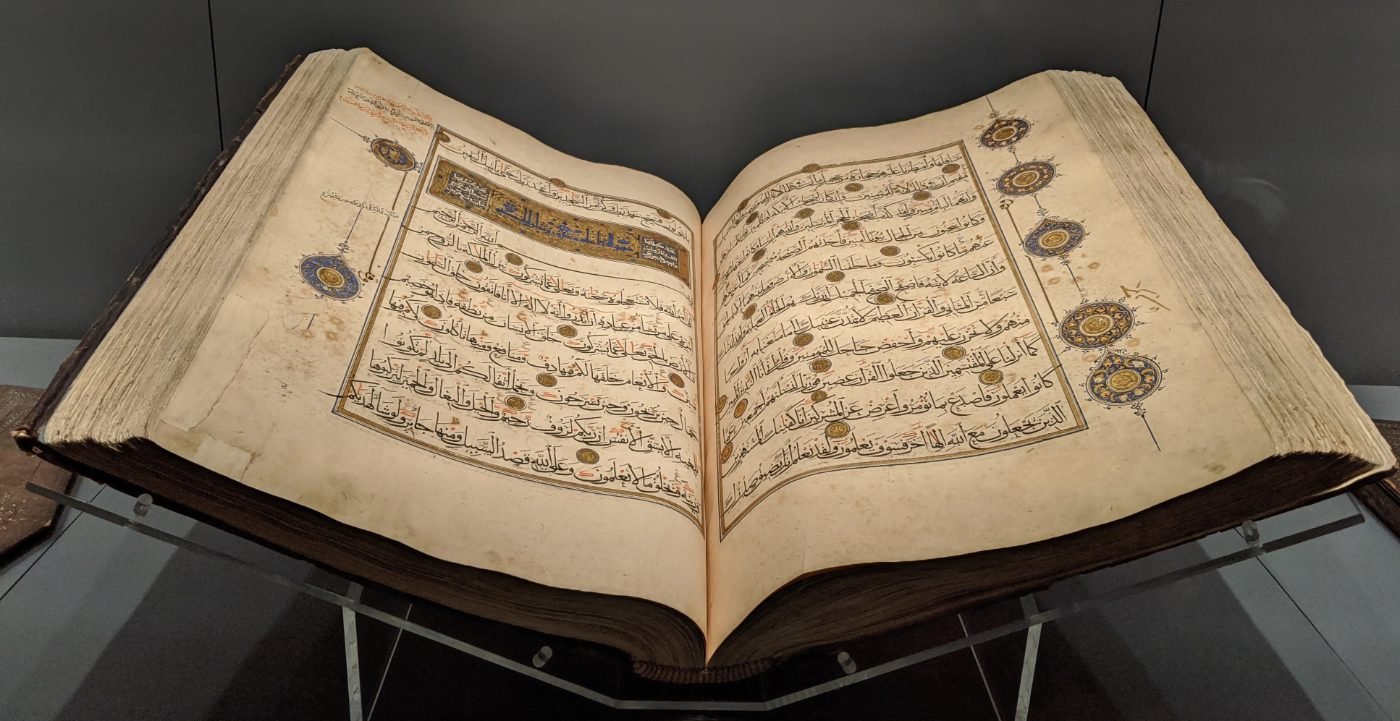
Surah Al-Mulk is one of the most loved surahs among Muslims in Pakistan. In many homes, parents teach it to children right after the short surahs, and in many mosques people recite it quietly after Isha. In this guide we explain Surah Mulk benefits using only authentic, referenced hadith, give the first ayat with Arabic, transliteration and English meaning, and share simple tips to memorise it.
We have tried to stay careful: every narration below has a book name, a number and a grade, so you can check it yourself on sunnah.com or ask your local alim. Where a narration is weak, we say so clearly.
What Is Surah Al-Mulk?
Surah Al-Mulk (The Dominion / Sovereignty) is the 67th surah of the Holy Quran. It has 30 ayat and two rukus, and it opens the 29th para, which is why many people in Pakistan call this para “Tabarak”. It is a Makki surah, revealed in Makkah before the Hijrah, so its focus is on belief: the power of Allah, the purpose of life and death, the signs in the sky and earth, and the reality of the Hereafter.
Because it is short enough to recite in five to seven minutes, yet rich in meaning, it is an ideal surah for a nightly habit.
| Detail | Information |
|---|---|
| Surah number | 67 |
| Number of ayat | 30 |
| Rukus | 2 |
| Para / Juz | 29 (Tabarak) |
| Place of revelation | Makkah (Makki) |
| Other names | Al-Mulk, Tabarak; described in hadith as interceding for its reciter |
Surah Mulk Benefits in Authentic Hadith
Many messages forwarded on WhatsApp list dozens of “benefits” with no source. It is better to hold on to what is actually narrated. Here are the main narrations, with their references and grades:
1. It intercedes for its reciter until he is forgiven
Abu Hurairah (may Allah be pleased with him) reported that the Prophet ﷺ said that there is a surah in the Quran of thirty ayat which interceded for a man until he was forgiven, and it is “Tabarak alladhi biyadihil-mulk”.
- Jami at-Tirmidhi 2891 – graded Hasan (Darussalam).
- Sunan Abi Dawud 1400 – graded Hasan (Al-Albani).
This is the strongest and most famous proof of the virtue of Surah Mulk. Scholars explain that the intercession is for a person who recited it regularly, understood it and tried to live by it.
2. The Prophet ﷺ recited it before sleeping
Jabir (may Allah be pleased with him) reported that the Prophet ﷺ would not sleep until he had recited Surah As-Sajdah (Alif Lam Mim Tanzil) and Surah Al-Mulk. This is Jami at-Tirmidhi 2892. The Darussalam edition on sunnah.com grades this chain Da’if (weak), although some scholars strengthened it through other routes. The practice of reciting these two surahs at night is still widely followed, as the virtue of reciting the Quran at night is established in general.
3. A protection from the punishment of the grave
A narration in Jami at-Tirmidhi 2890 describes Surah Mulk as “the defender, the deliverer” that saves its reciter from the punishment of the grave. The Darussalam grading of this chain is Da’if (weak). Scholars mention similar meanings from Companions, so many people hope for this benefit, but it should not be presented as a definite, strong hadith.
Summary: The firmly established virtue is intercession (Tirmidhi 2891, Abu Dawud 1400 – Hasan). Narrations about sleeping and the grave are weaker; mention them with their grade and do not exaggerate.
First Ayat of Surah Mulk: Arabic, Transliteration & Translation
Here are the opening two ayat. Reading the meaning while you recite makes the surah far more powerful for the heart.
Ayat 1
تَبَارَكَ الَّذِي بِيَدِهِ الْمُلْكُ وَهُوَ عَلَىٰ كُلِّ شَيْءٍ قَدِيرٌ
Tabarakal-ladhi biyadihil-mulku wa huwa ‘ala kulli shay’in qadir.
Meaning: Blessed and full of goodness is He in whose Hand is all sovereignty, and He has full power over everything.
Ayat 2
الَّذِي خَلَقَ الْمَوْتَ وَالْحَيَاةَ لِيَبْلُوَكُمْ أَيُّكُمْ أَحْسَنُ عَمَلًا ۚ وَهُوَ الْعَزِيزُ الْغَفُورُ
Alladhi khalaqal-mawta wal-hayata liyabluwakum ayyukum ahsanu ‘amala, wa huwal-‘azizul-ghafur.
Meaning: He is the One who created death and life to test which of you is best in deeds; and He is the Almighty, the Most Forgiving.
Notice that the second ayat speaks of the “best” deeds, not the “most” deeds. Scholars explain that quality, sincerity and following the Sunnah matter more than quantity.
Main Themes of Surah Mulk
- Allah’s complete control: all power and ownership belong to Him alone.
- Life as a test: death and life are created to see who does the best deeds.
- Signs in the sky: the seven heavens without any flaw, and the stars as lamps.
- Regret of the people of Hell: they will say that if only they had listened or used their reason.
- Allah knows the secrets of hearts: whether you speak quietly or openly.
- Daily blessings: the earth made easy to walk on, birds held in the air, water and provision.
- A final question: if your water sank deep into the ground, who could bring it back?
For Pakistani readers facing water shortages and falling groundwater in cities like Lahore, Karachi and Quetta, the last ayat feels very close to daily life. It reminds us that every glass of water is a gift.
When to Recite Surah Mulk (Hanafi Practice)
There is no fixed, obligatory time, but the common practice, which many Hanafi scholars in the subcontinent encourage, is to recite it at night, after the Isha prayer or before sleeping. Some people read it in the mosque after Isha, others at home in bed. Both are fine.
| Option | How people do it | Note |
|---|---|---|
| After Isha | Recite once after Sunnah and Witr | Easy to make a daily habit |
| Before sleeping | Recite in bed or before lying down | Matches the reported night practice |
| In Tahajjud or nafl | Recite in qiyam al-layl | Combines recitation with prayer |
| Listening | Play a qari while following the text | Helpful for learners; reciting yourself is better |
Women in their days of menstruation should follow the guidance of their own scholars about reciting from memory; in the Hanafi school, reciting the Quran in that state is not permitted, while listening, dhikr and dua are allowed. Please ask a trusted mufti for personal questions.
How to Memorise Surah Mulk: Simple Tips
- Two or three ayat a day: in about two weeks you can finish all 30.
- Listen daily: choose one qari (for example Mishary Alafasy or Abdul Rahman Al-Sudais) and stick with that style.
- Read the meaning: use an Urdu translation such as Kanz-ul-Iman or a trusted English one.
- Recite in nafl salah: what you pray with, you remember.
- Revise every night: make your nightly recitation from memory once you know it.
- Teach children together: parents revising with kids helps both.
FAQs about Surah Mulk
How many ayat are in Surah Mulk?
Surah Al-Mulk has 30 ayat, as mentioned in the hadith of Tirmidhi 2891.
What is the biggest benefit of Surah Mulk?
The best-established benefit is that it intercedes for its reciter until he is forgiven (Tirmidhi 2891, Abu Dawud 1400, graded Hasan).
Can I recite Surah Mulk in the morning?
Yes. Any time is allowed. Night recitation is common and recommended by many scholars, but reading it at any time brings reward.
Does listening to Surah Mulk count?
Listening to the Quran is rewarded, but the hadith speaks of a surah that a person used to recite, so try to read it yourself as well.
Is it Surah Mulk or Surah Tabarak?
Both names are used. “Tabarak” comes from its first word, and the 29th para is also called Tabarak.
We hope this guide helps you build a lifelong habit of reciting Surah Mulk every night. If you know a scholar’s explanation that helped you, or have a question, please share it in the comments below. May Allah accept it from all of us.