
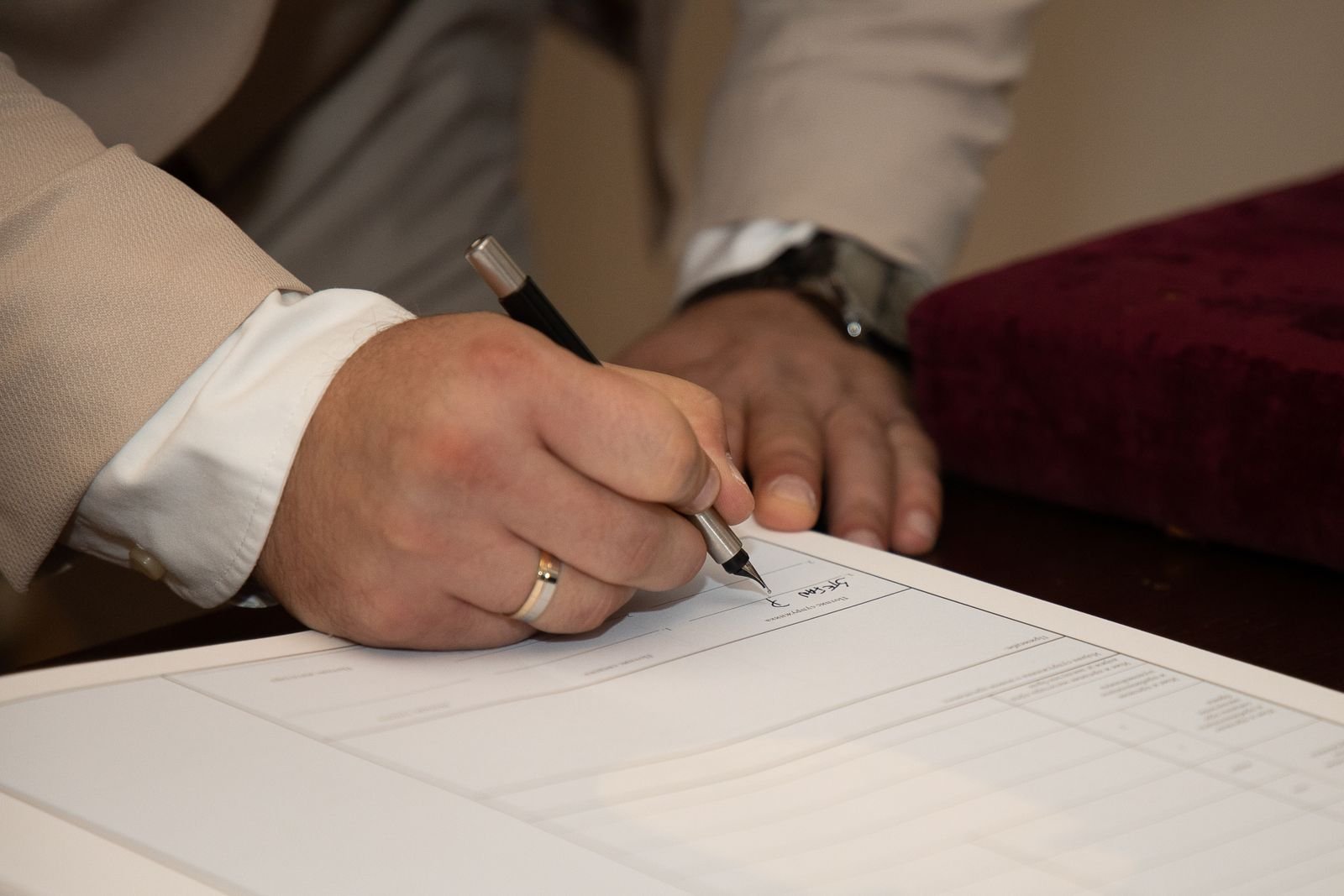
Many Muslims in the UK, US and Canada never write a will, often because talking about death feels uncomfortable. But without a will, your estate is divided under your country’s intestacy laws, which do not follow Islamic inheritance rules. This guide explains what an Islamic will (wasiyyah) is, the key rules from the Quran and Sunnah, and how to make one that is valid both in Islam and in law.
This is general information, not legal advice or a fatwa. Inheritance cases can be complex, so please use a solicitor or lawyer experienced in Islamic wills and consult a qualified scholar for your family’s situation.
Why Every Muslim Should Have a Will
The Prophet ﷺ said that it is not right for a Muslim who has something to bequeath to spend two nights without having his will written down (Sahih al-Bukhari 2738; Sahih Muslim 1627). A written will also protects your family from disputes and from rules that may go against your wishes.
The Key Islamic Rules
1. Debts and funeral costs come first
Before anything is distributed, reasonable funeral expenses and all debts (including unpaid zakat, loans and any promised mahr) are paid from the estate.
2. You can freely bequeath up to one-third
When the companion Sa’d ibn Abi Waqqas asked to give away most of his wealth, the Prophet ﷺ allowed one-third and said “one-third, and one-third is a lot”, adding that leaving your heirs well off is better than leaving them dependent on others (Sahih al-Bukhari 2742; Sahih Muslim 1628). This one-third can go to charity, a mosque, a grandchild or friends.
3. No bequest to a fixed heir
The Prophet ﷺ said that Allah has given every person with a right their due, so there is no bequest for an heir (Sunan Abi Dawud 2870; Jami at-Tirmidhi 2120). The one-third cannot be used to give extra to someone who already inherits a fixed share, unless the other heirs agree after your death.
4. The remaining two-thirds follow the Quranic shares
The rest of the estate is divided according to the fixed shares set out in Surah An-Nisa (Quran 4:11–12, 4:176). These are known as fara’id or mirath.
Common fixed shares at a glance
| Heir | Share | Condition |
|---|---|---|
| Wife (or wives, shared) | 1/4 | If the deceased husband left no children |
| Wife (or wives, shared) | 1/8 | If he left children |
| Husband | 1/2 | If the deceased wife left no children |
| Husband | 1/4 | If she left children |
| Father | 1/6 | If the deceased left children (he may also take the remainder in some cases) |
| Mother | 1/6 | If the deceased left children, or two or more siblings |
| Mother | 1/3 | If no children and fewer than two siblings |
| One daughter (no sons) | 1/2 | – |
| Two or more daughters (no sons) | 2/3, shared | – |
| Sons and daughters together | The remainder | Each son receives twice a daughter’s share |
Real families often have more complex situations, such as grandchildren, siblings or a predeceased child, so this table is only a guide. A scholar or an Islamic inheritance calculator can work out exact shares.
Making Your Islamic Will Legally Valid
England and Wales
- Under the Wills Act 1837 a will must be in writing, signed by you in the presence of two witnesses, who then sign it in your presence.
- Witnesses should not be beneficiaries (or married to beneficiaries), or the gift to them can fail.
- If you die without a will, the intestacy rules apply, and they do not follow Islamic shares. A spouse may receive much more, and parents or siblings may receive nothing.
- Family members can sometimes still bring a claim under the Inheritance (Provision for Family and Dependants) Act 1975, so get professional advice if your family situation is complicated.
United States and Canada
- Rules are set by each state or province. Most require a written will signed in front of two witnesses; some also allow or require notarisation.
- Some states have rules that protect a surviving spouse’s share regardless of the will. A local estate lawyer can structure your will so it follows Islamic shares as closely as the law allows.
What to Include in Your Wasiyyah
- A declaration of faith and a request to be buried according to Islamic rites, ideally as soon as possible.
- Your executors: trustworthy people who understand your Islamic wishes.
- Guardians for children under 18.
- Instructions to pay debts, unpaid zakat and any missed obligations.
- Your bequest of up to one-third, if you wish to make one.
- A clause directing that the rest of the estate be divided according to Islamic inheritance law, with a named scholar or body to confirm the shares.
Frequently Asked Questions
Can I leave something to my non-Muslim spouse or relatives?
According to the majority of scholars, a non-Muslim does not inherit a fixed share from a Muslim, but you can leave them a gift from your one-third bequest.
Can I give my property away during my lifetime instead?
Gifts during your lifetime are allowed, but scholars warn against using them to deliberately deprive rightful heirs. Seek advice before making large gifts.
How much does an Islamic will cost?
Costs vary by country and complexity. Many solicitors, Islamic charities and mosques offer fixed-price Islamic wills, and some run free will-writing weeks.
Final Word
Writing a will is an act of care for your family and a fulfilment of a Prophetic instruction. Note down your assets and debts, choose your executors and guardians, decide on your one-third bequest, and book an appointment with a solicitor who understands Islamic wills.