
Before you buy solar panels, you have to decide on the type of system. Should you go on-grid, off-grid or hybrid? The answer depends on your bill, your load-shedding hours and your budget, and the 2026 net billing rules have changed the maths. This guide compares on grid vs off grid solar system options (plus hybrid) in simple words so you can choose the right one for your home in Pakistan.
On-Grid, Off-Grid and Hybrid: What Do They Mean?
On-Grid (Grid-Tied) Solar System
Panels connect to an on-grid inverter that works together with the WAPDA/K-Electric supply. Solar powers your home in the day and extra units are exported to the grid. It shuts down during load shedding for safety, so there is no backup.
Off-Grid Solar System
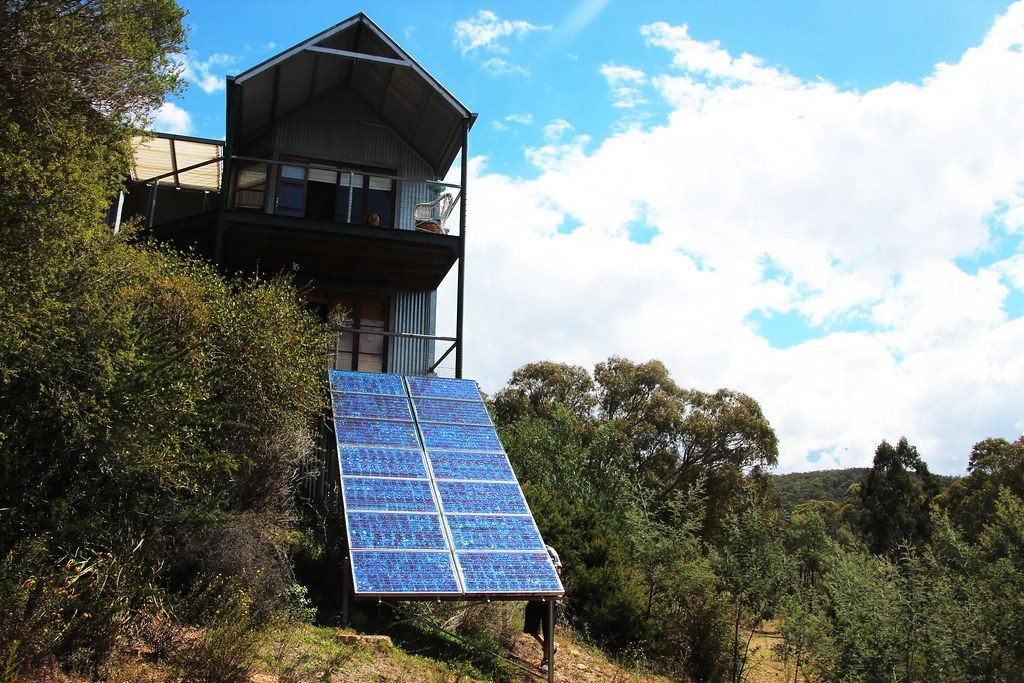
The system is not connected to the grid at all. Panels charge batteries, and the inverter runs the house from solar and batteries. It is ideal for remote areas, farmhouses and places with very long outages, but it needs a large battery bank.
Hybrid Solar System
A hybrid system combines both. It uses solar first, charges batteries, takes power from the grid when needed and gives automatic backup during load shedding. It can also export extra units.
On-Grid vs Off-Grid vs Hybrid: Comparison Table
Note: Costs are approximate for a 5kW system in October 2026 and vary by brand and city.
| Feature | On-Grid | Off-Grid | Hybrid |
|---|---|---|---|
| Backup during load shedding | No | Yes | Yes |
| Batteries | Not needed | Required (large bank) | Optional / recommended |
| Exports to grid | Yes | No | Yes |
| Approx. 5kW cost | Rs. 0.5 – 0.65 million | Rs. 0.8 – 1.1 million | Rs. 0.55 – 1.0 million |
| Best for | Low outage areas, bill cutting | No grid / remote sites | Most Pakistani homes |
| Under net billing | Weaker (cheap export rate) | Not affected | Strong (more self-use) |
How Net Billing Changes the Choice in 2026
With NEPRA’s Prosumer Regulations 2026, new solar users move to net billing. Exported units are paid at roughly the national average purchase price (about Rs. 11 per unit), but you still pay around Rs. 44–50+ for every unit you import. This means an on-grid system that exports a lot of its production earns much less than before.
A hybrid system with a battery stores daytime solar and uses it in the evening, when you would otherwise buy expensive grid units. For most new buyers in 2026, hybrid gives the best balance of savings and backup.
Which Solar System Is Best for You?
- Choose on-grid if load shedding is rare in your area, you already have net metering under old terms, and your goal is only to cut the daytime bill.
- Choose off-grid if you have no grid connection or extremely long outages (farmhouses, villages, tubewells far from the grid).
- Choose hybrid if you face daily load shedding, want backup for fans, lights and fridge, or want to use more of your own solar under net billing.
Best Inverter Brands for Each System Type
| System | Top Picks (in order) |
|---|---|
| On-grid | Huawei, Sungrow, Solis, Growatt, GoodWe |
| Hybrid | 1. Huawei 2. GoodWe 3. Infinix Solar 4. Growatt 5. Solis |
| Off-grid | Growatt SPF, Inverex, Infinix Solar, Knox, Fronus |
For hybrid homes, Infinix Solar offers one of the widest ranges in Pakistan: the Smart VM III Twin 4kW (about Rs. 105,000, 60–450V PV input, up to 5,000W panels, Wi-Fi monitoring), Recon V4 Twin 6kW, Everon 6.6kW and 10kW single-phase models with IP65/IP66 outdoor rating, and 15–20kW three-phase inverters, along with matching LiFePO4 batteries. The Lahore-based company has been in the solar market since 2015 (infinixsolar.com).
See our full ranking of the best hybrid inverters in Pakistan and our lithium vs tubular battery guide.
FAQs
Which is better, on-grid or off-grid?
On-grid is cheaper but has no backup. Off-grid gives full independence but needs expensive batteries. For most homes, hybrid is the best middle path.
Does an on-grid inverter work during load shedding?
No. It switches off automatically when the grid fails, for the safety of line workers.
Can I convert on-grid to hybrid later?
Usually you need to add a hybrid inverter or an AC-coupled battery system. Ask your installer about compatibility.
Is net metering still available?
Existing net-metering users keep their terms until their agreement ends; new connections fall under net billing.
Which system did you choose and why? Share your experience in the comments.
1 thought on “On-Grid vs Off-Grid vs Hybrid Solar System: Which Is Best?”