
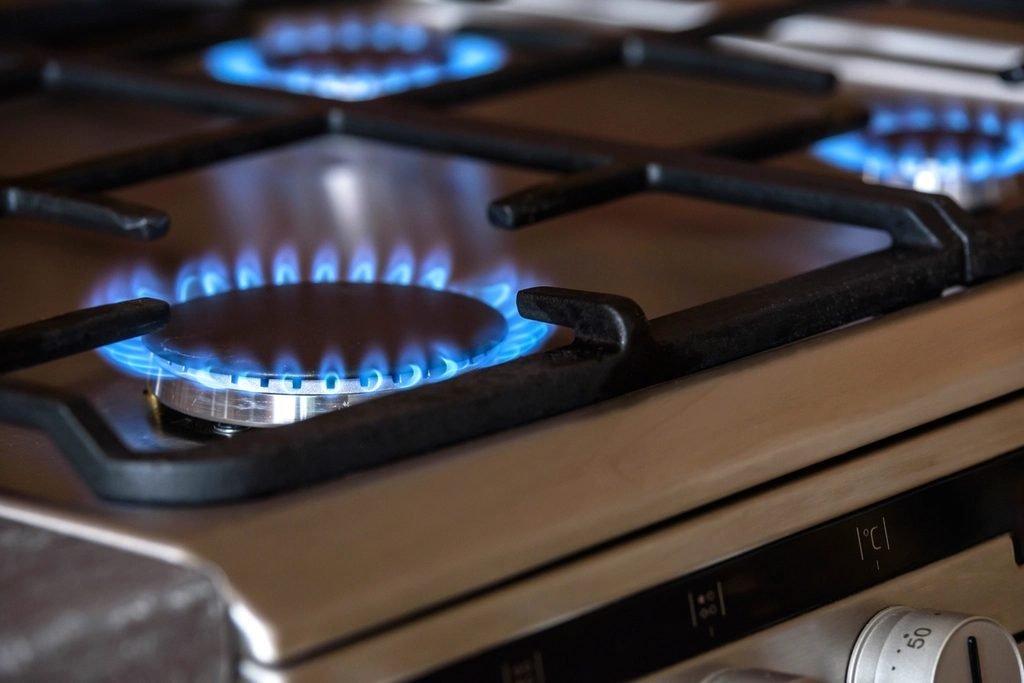
Every winter the same story repeats in Pakistani homes: low gas pressure in the morning, a geyser that runs all day, heaters in every room and then a shocking Sui gas bill in January. Learning how to save gas is not only about money. It also means fewer problems during gas load-shedding and a safer home for your family. In this guide we share 15 practical tips that work for houses and flats in Lahore, Karachi, Islamabad, Peshawar, Quetta and everywhere in between.
These tips cover the kitchen, the geyser, room heaters and the house itself, plus important safety advice about carbon monoxide and gas leaks. (Gas bill kam kaise karein? Read on.)
Why Gas Bills Jump in Winter
Gas is billed in slabs. When your monthly consumption crosses into a higher slab, the rate for your units goes up sharply, so a small extra use can make a big difference to the bill. In winter three things push usage up at the same time: the geyser heats colder water for longer, room heaters run for hours, and cooking takes more gas because pots and water start colder.
| Appliance | Why it uses a lot of gas in winter |
|---|---|
| Geyser | Heats water all day, even when no one is using it |
| Room heater | Runs for many hours, often in rooms with open doors |
| Stove / chulha | Cold water and pots take longer to heat |
| Pilot lights | Small flame that burns 24/7 |
Slab limits and tariffs are set by OGRA and the government and can change. Check the latest rates on your SNGPL or SSGC bill or their official websites.
How to Save Gas in the Kitchen (Tips 1–5)
1. Always cover the pot
Cooking with a lid traps heat and cuts cooking time noticeably. This one habit makes a big difference for daal, salan and boiling water.
2. Match the flame to the pot
If the flame climbs up the sides of the pot, the extra heat is wasted. Keep the flame under the base of the pot. Use the small burner for small pans.
3. Use a pressure cooker
Chanay, lobia, rajma, beef and mutton cook much faster in a pressure cooker. It saves gas and time, which matters during load-shedding hours.
4. Soak pulses and rice
Soaking daal, chanay and rice for a few hours softens them and reduces cooking time.
5. Clean your burners
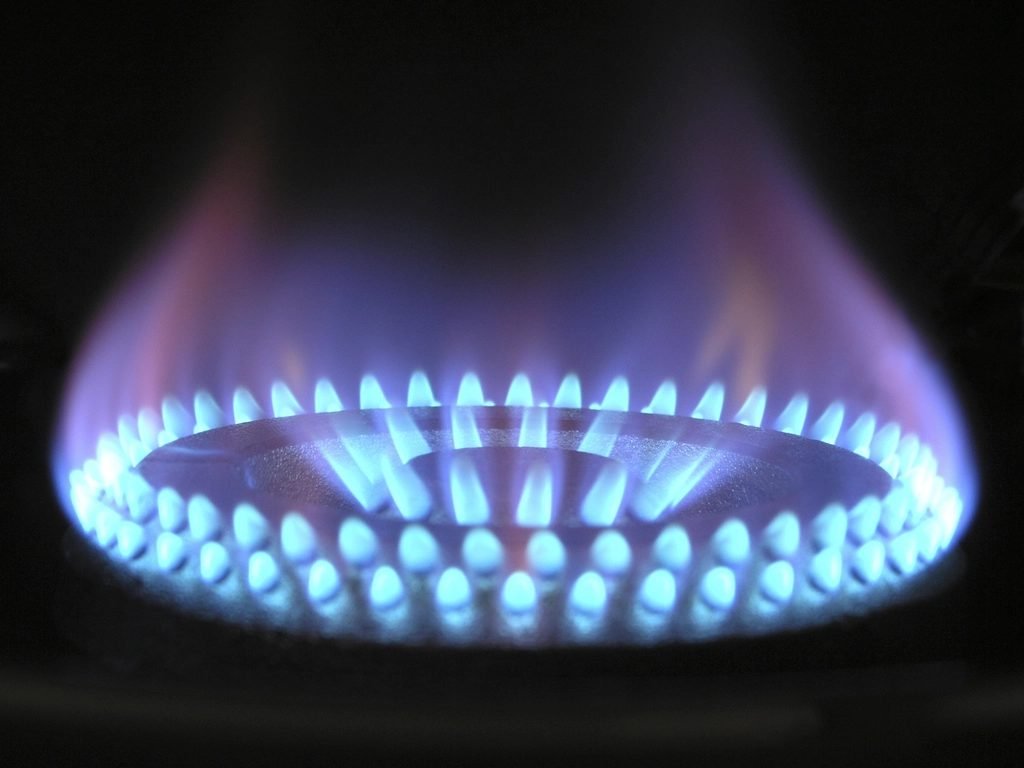
A healthy flame is blue. A yellow or orange flame usually means dirty burner holes or poor air mixing, which wastes gas and can produce soot. Clean the burner caps with a pin and warm soapy water.
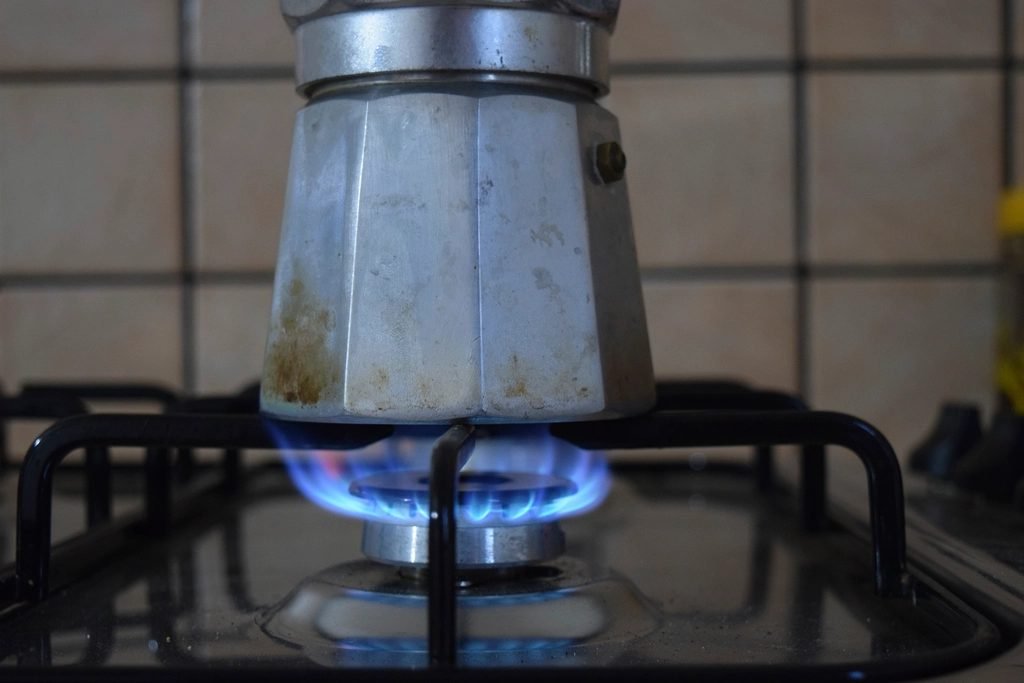
Geyser Tips: The Biggest Way to Save Gas (Tips 6–9)
For many households the geyser is the biggest single gas user in winter. Small changes here give the largest savings.
6. Install a geyser timer or use it only when needed
A simple geyser timer or “geyser safety valve” lets the geyser run only in the morning and evening. Many families switch it on 30–45 minutes before use and switch it off afterwards.
7. Lower the thermostat
Keep the thermostat on medium or low. Very hot water is often mixed with cold water anyway, which is pure waste.
8. Insulate the geyser and hot-water pipes
Old geysers lose heat through their body and exposed pipes, especially on rooftops. Insulation covers for the tank and foam sleeves for pipes are cheap and easy to fit.
9. Consider an instant or hybrid geyser
Instant (tankless) gas geysers heat water only when the tap is open, and hybrid geysers can use electricity or solar when gas pressure is low. They cost more upfront but can reduce gas use for many homes.
Room Heater Tips (Tips 10–12)
10. Heat one room, not the whole house
Gather the family in one room in the evening and close the door. Heating one room well is better than running heaters in three rooms.
11. Use a heater with a thermostat and safety cut-off
Modern gas heaters with a thermostat and an oxygen depletion sensor (ODS) are safer and use gas more efficiently. See our guide to the best room heaters in Pakistan for options.
12. Turn off heaters at night
Never sleep with a gas heater on in a closed room. Warm blankets, razais and hot water bottles are safer and free.
Keep the Heat Inside (Tips 13–15)
- 13. Seal gaps: use draught stoppers under doors and weather strips on windows. Cold air coming in means the heater works harder.
- 14. Use thick curtains: close them in the evening to keep heat in and open them during sunny days to let warmth in.
- 15. Use rugs and dress warmly: a rug on a cold floor and a warm sweater indoors let you run the heater less.
Gas Safety: Leaks and Carbon Monoxide
Saving gas should never come at the cost of safety. Every winter, Pakistani newspapers report tragic deaths from gas leaks and carbon monoxide (CO) poisoning.
- Ventilation: always keep a window slightly open when a gas heater is on.
- Do not leave gas on during load-shedding: if gas pressure drops and the flame goes out, gas can keep flowing when pressure returns. Close the valve.
- Smell gas? Do not switch any lights or appliances on or off. Open doors and windows, close the main valve, leave the house and call your gas company’s emergency number.
- Install a CO alarm: carbon monoxide has no smell. A low-cost CO detector can save lives.
- Check pipes and rubber hoses: replace cracked hoses and test joints with soapy water (bubbles mean a leak).
Symptoms of CO poisoning include headache, dizziness, nausea and drowsiness. If you suspect it, get everyone into fresh air immediately and seek medical help.
FAQs
How to save gas at home in winter quickly?
The fastest wins are limiting geyser hours, covering pots while cooking and heating only one room with the door closed.
Does a geyser timer really reduce the gas bill?
Yes. Running the geyser only when hot water is needed avoids heating water all day and can noticeably reduce gas use.
Why is my stove flame yellow?
A yellow flame usually means dirty burners or poor air supply. Clean the burner and, if it continues, get it checked by a technician.
Is it safe to sleep with a gas heater on?
No. Always turn off gas heaters before sleeping, because of the risk of carbon monoxide poisoning and fire.
What should I do if I smell gas?
Do not use switches, open windows and doors, close the gas valve, leave the house and call the SNGPL or SSGC emergency helpline.
Small habits add up to big savings over a winter. Which tip will you try first, and do you have your own trick to save gas? Share it with other readers in the comments.
1 thought on “How to Save Gas in Winter: 15 Tips for Pakistani Homes”