
Cricket is Pakistan’s most popular sport, but the rules can confuse beginners and kids. This simple guide explains how cricket works, step by step.
Table of Contents
The Basics
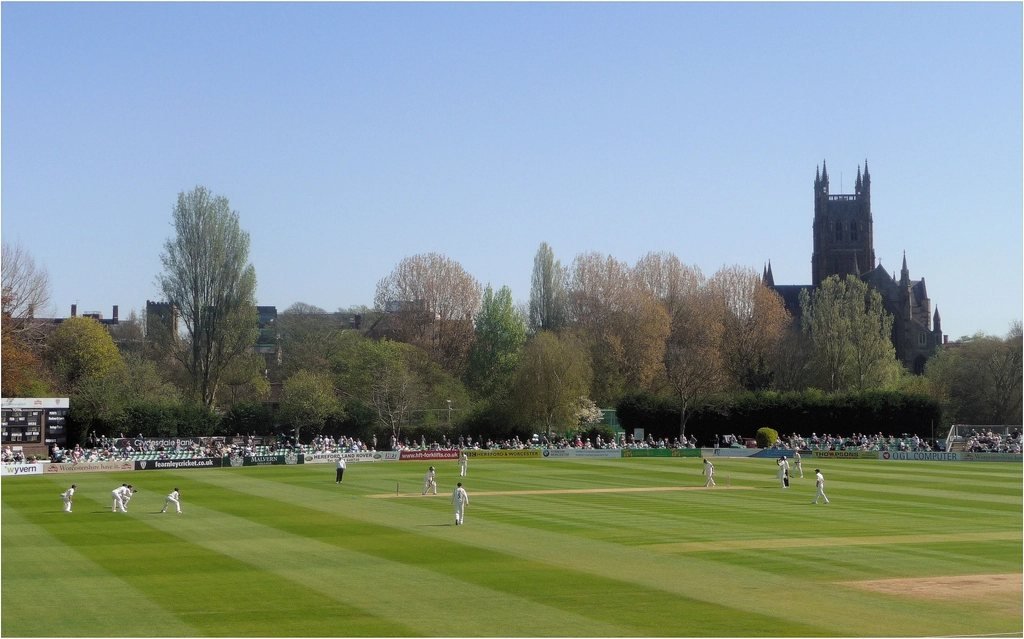
- Two teams of 11 players.
- One team bats and tries to score runs; the other bowls and fields to stop them.
- An over is 6 legal balls bowled by one bowler.
- The team with more runs wins.
Cricket Formats
| Format | Overs | Duration |
|---|---|---|
| Test | Unlimited (two innings each) | Up to 5 days |
| ODI | 50 overs per side | One day |
| T20 | 20 overs per side | About 3–4 hours |
How Runs Are Scored
- Running between the wickets: 1, 2 or 3 runs.
- Four: The ball reaches the boundary after touching the ground.
- Six: The ball crosses the boundary without touching the ground.
- Extras: Wides, no-balls, byes and leg-byes add runs to the batting team.
Main Ways to Get Out
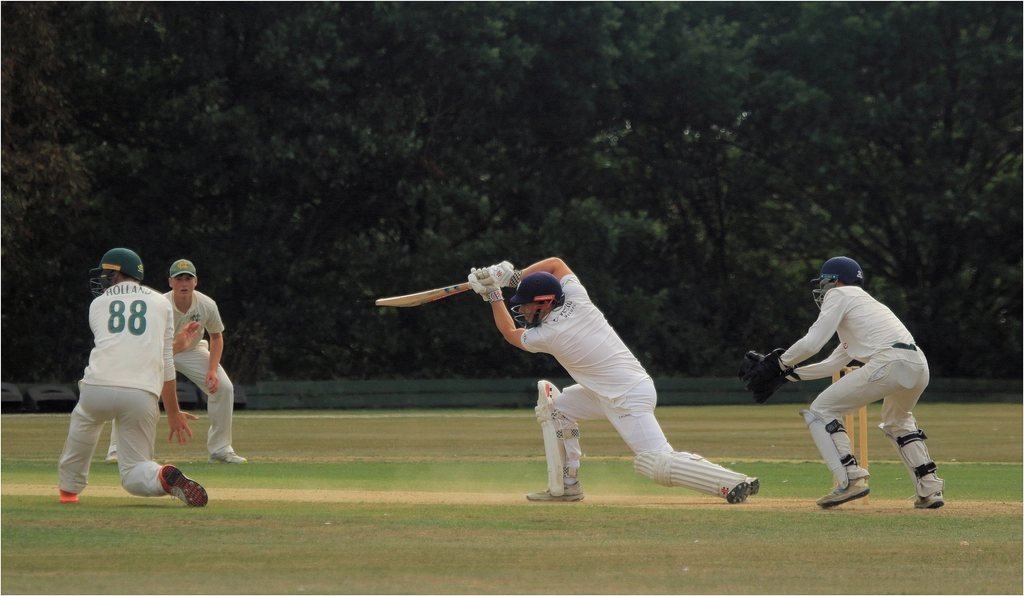
- Bowled: The ball hits the stumps.
- Caught: A fielder catches the ball before it touches the ground.
- LBW (Leg Before Wicket): The ball would have hit the stumps but hit the batter’s leg/pad first.
- Run out: The stumps are broken while the batter is out of the crease running.
- Stumped: The wicketkeeper breaks the stumps when the batter is out of the crease.
- Hit wicket: The batter hits their own stumps.
Important Terms
- No-ball: An illegal delivery (for example, overstepping the crease); in limited-overs cricket it gives a free hit.
- Wide: A ball too far from the batter to hit.
- Powerplay: Overs with fielding restrictions in ODIs and T20s.
- DRS: Decision Review System that lets teams challenge umpire decisions.
- Duck: When a batter is out for zero.
Frequently Asked Questions (FAQs)
How many players are in a cricket team?
Each team has 11 players on the field.
What is an over?
An over is six legal deliveries bowled by one bowler.
What is a free hit?
After a front-foot no-ball in limited-overs cricket, the next ball is a free hit; the batter can’t be out in most ways.
Conclusion
Once you understand overs, runs and the main ways of getting out, cricket becomes easy and exciting to follow. Enjoy the next match!