
Namaz (Salah) is the second pillar of Islam and the most important act of worship after faith. Whether you are a beginner, teaching your children, or want to refresh your knowledge, this guide explains how to pray Namaz step by step in simple words.
Note: This guide follows the method commonly practised in Pakistan (Hanafi school). Small differences exist between schools of thought. For detailed rulings, please consult a qualified scholar.
📖 Want to learn the Prophet’s ﷺ own method with Arabic hadith, references and authenticity grades? Read our detailed guide: How the Prophet ﷺ Prayed: Sunnah Method of Salah with Authentic Hadith.
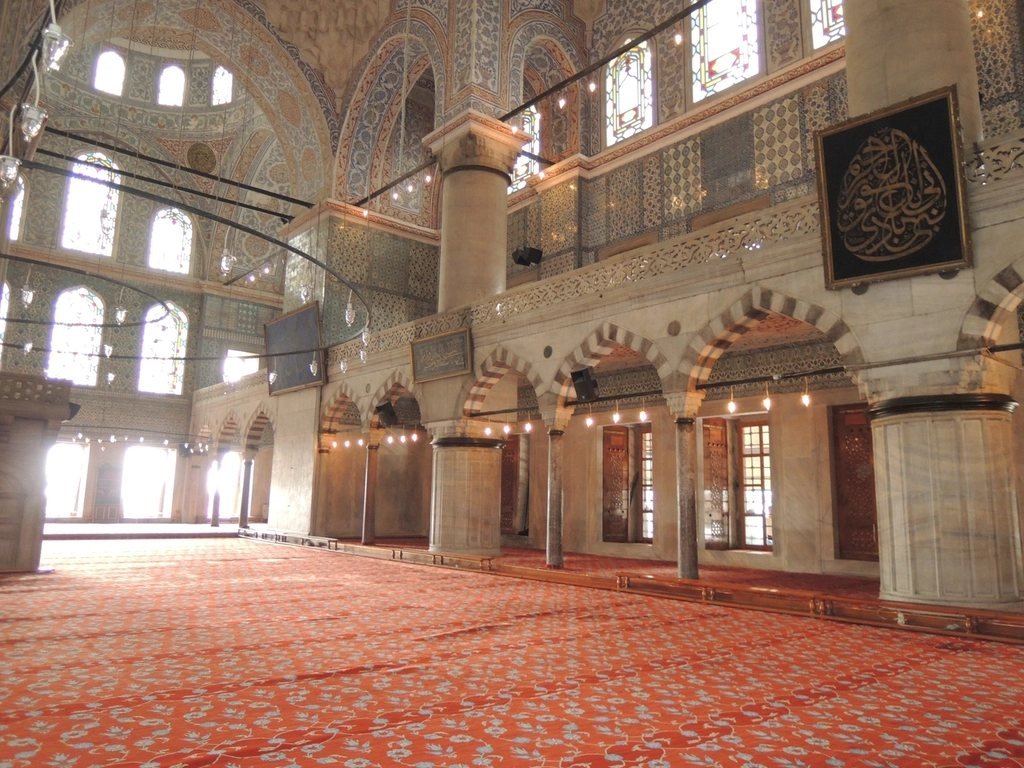
Before You Pray
- Wudu (ablution): You must be in a state of wudu.
- Clean body, clothes and place.
- Cover the satr (proper Islamic dress).
- Face the Qibla (direction of the Kaaba in Makkah).
- Make the intention (niyyah) in your heart for the specific prayer.
Number of Rakats in the Five Daily Prayers
| Prayer | Fard | Commonly prayed Sunnah / Witr (Hanafi) |
|---|---|---|
| Fajr | 2 | 2 Sunnah before |
| Zuhr | 4 | 4 Sunnah before, 2 Sunnah after |
| Asr | 4 | 4 Sunnah before (optional) |
| Maghrib | 3 | 2 Sunnah after |
| Isha | 4 | 4 Sunnah before (optional), 2 Sunnah after, 3 Witr |
Step-by-Step Method of Namaz (2 Rakats)
Step 1: Takbir-e-Tahrima
Raise both hands to your ears and say “Allahu Akbar” (Allah is the Greatest). Then fold your hands, right hand over left.
Step 2: Qiyam (Standing)
Recite Sana: “Subhanaka Allahumma wa bihamdika wa tabarakasmuka wa ta’ala jadduka wa la ilaha ghairuk.” Then recite “A’udhu billahi minash-shaitanir-rajeem, Bismillahir-Rahmanir-Raheem.”
Step 3: Surah Al-Fatiha and Another Surah
Recite Surah Al-Fatiha, then any other surah or at least three short verses, such as Surah Al-Ikhlas.
Step 4: Ruku (Bowing)
Say “Allahu Akbar” and bow, placing your hands on your knees with your back straight. Recite “Subhana Rabbiyal Azeem” at least three times.
Step 5: Qawmah (Standing Up from Ruku)
Stand up saying “Sami Allahu liman hamidah”, then “Rabbana lakal hamd.”
Step 6: Sajdah (Prostration)
Say “Allahu Akbar” and go into sajdah with your forehead, nose, palms, knees and toes touching the ground. Recite “Subhana Rabbiyal A’la” at least three times.
Step 7: Jalsa and Second Sajdah
Sit up briefly saying “Allahu Akbar”, then perform a second sajdah the same way. This completes the first rakat.
Step 8: Second Rakat
Stand up and repeat Al-Fatiha, another surah, ruku and two sajdahs.
Step 9: Tashahhud (Sitting)
After the second rakat, sit and recite Attahiyyat. In a 2-rakat prayer, continue with Durood-e-Ibrahim and a short dua. In 3- or 4-rakat prayers, stand up after Attahiyyat for the remaining rakats.
Step 10: Salam
Turn your face to the right saying “Assalamu alaikum wa rahmatullah”, then to the left saying the same. Your prayer is complete.
Common Mistakes to Avoid
- Rushing through ruku and sajdah without calmness
- Not keeping the back straight in ruku
- Looking around during prayer
- Praying without proper wudu
- Missing the prayer time without a valid reason
Frequently Asked Questions (FAQs)
How many rakats are in the five daily prayers?
The fard (obligatory) rakats are Fajr 2, Zuhr 4, Asr 4, Maghrib 3 and Isha 4, a total of 17.
Can I pray Namaz without knowing Arabic?
You should learn the essential recitations, especially Surah Al-Fatiha, in Arabic. Many people learn them gradually with the help of transliteration and teachers.
What breaks the Namaz?
Talking, eating, drinking, laughing loudly, turning away from the Qibla and losing wudu are among the things that break the prayer.
Conclusion
Namaz is a daily connection with Allah. Start with the fard prayers, learn the recitations step by step, and ask a local imam or scholar if you have questions. May Allah accept our prayers. Ameen.